Tag: Entrepreneurship Programme

  • The changing face of Entrepreneurship University Education in Europe

    The changing face of Entrepreneurship University Education in Europe

    Over the past 20 years, entrepreneurship education in European universities has undergone significant changes and growth.

    Key Trends in Entrepreneurship Education in Europe

    Here’s a summary of the key developments and trends:

    1. Growing Popularity and Expansion: Entrepreneurship education has become increasingly popular in European higher education institutions (HEIs). There has been a notable increase in courses and majors focused on entrepreneurship, reflecting a broader trend in academia.
    2. Variations Across Europe: The extent and nature of entrepreneurship education vary widely across different European countries and universities. Some institutions have invested more heavily in this area than others.
    3. Increased Funding and Resources: Many universities have allocated substantial resources to entrepreneurship education. This includes funding for dedicated programs, research in entrepreneurship, and support for student-led entrepreneurial ventures.
    4. Integration with Business Schools: Entrepreneurship education has often been closely associated with business schools within universities. However, there’s a growing trend of integrating entrepreneurship more broadly across different academic disciplines.
    5. Policy Support: The European Union and national governments have increasingly recognized the importance of entrepreneurship education. Policies and initiatives have been developed to support and encourage its growth within the higher education sector.
    6. Knowledge Spillover Theory: The last decade has seen the emergence of entrepreneurship education in connection with the development of the knowledge spillover theory in economics. This theory emphasizes the role of knowledge and innovation in driving entrepreneurial activities.
    7. Case Studies and Practical Learning: There’s a focus on practical learning approaches, including case studies and real-world projects, to provide students with hands-on experience in entrepreneurship.
    8. Emphasis on Broad Skills: Entrepreneurship education is not just about starting businesses; it also focuses on developing a broad set of skills such as creativity, problem-solving, and resilience, which are valuable in various career paths.
    9. Collaborations and Partnerships: Universities have been forming partnerships with businesses, government agencies, and other institutions to enhance the quality and relevance of their entrepreneurship programs.
    10. Diversity and Inclusivity: Efforts are being made to ensure entrepreneurship education is inclusive and accessible to a diverse range of students, regardless of their academic background or field of study.

    These trends indicate a dynamic and evolving landscape for entrepreneurship education in European universities, reflecting its increasing importance in the modern economy and society.

    The Growing Popularity and Expansion of University Entrepreneurship Education

    The survey conducted by the European Foundation for Entrepreneurship Research (EFER) and the European Foundation for Management Development (efmd) provides insightful statistics on the growth and trends in entrepreneurship education at European universities and business schools. Here are some key findings:

    1. Growth in the Last Five Years: According to the survey respondents, entrepreneurship education in Europe has seen dramatic growth over the past five years. Specifically, 61% of respondents reported substantial growth, and 32% observed some growth in this period.
    2. Future Growth Expectations: Looking ahead, 58% of respondents anticipate substantial growth in entrepreneurship education over the next five years, with an additional 37% expecting some growth.
    3. Course Offerings: Most entrepreneurship courses at the undergraduate level (73%) and postgraduate level (69%) are elective. There is a trend towards integrating entrepreneurship more broadly across the curriculum, but it is still primarily taught as a standalone subject.
    4. Faculty and Teaching: The survey revealed that the average respondent has been teaching entrepreneurship for about 9.5 years. Teaching methods are diverse, including lectures, case studies, projects, and exercises. However, there is a strong interest among faculty for further training in teaching entrepreneurship.
    5. Entrepreneurship Centres: The survey identified 70 Centres of Entrepreneurship in Europe, with many having been established in the past five years. These centers vary in their activities and funding sources.
    6. International Teaching: Only 17% of the respondents teach entrepreneurship beyond their national borders, indicating a potential area for increased international collaboration and exchange.
    7. Language of Instruction: At the undergraduate level, most entrepreneurship courses are conducted in the local language, while at the postgraduate level, courses are often offered in both the local language and English.
    8. Focus on Start-ups: Many respondents noted a heavy focus on the start-up phase in entrepreneurship education, suggesting a need to also address other aspects like growth phases, intrapreneurship, and the distinction between SMEs and high-growth companies.
    9. Alumni Entrepreneurship: The percentage of alumni from European schools starting companies is relatively small, around 10%, according to survey respondents. However, this may increase as many graduates start companies later in their careers.

    These findings highlight the dynamic nature of entrepreneurship education in Europe, with significant growth in recent years and expectations for continued expansion. The focus remains on elective courses, with a need for more integration across curricula and further development in teaching methods and international collaboration.

    Master’s Vs Bachelor’s Degrees

    Masters degrees in entrepreneurship are often considered more impactful than undergraduate degrees for several reasons:

    1. Advanced Specialization and Depth: Masters programs typically offer more specialized and in-depth study in entrepreneurship. They delve deeper into topics like venture creation, growth strategies, innovation management, and financing, providing a more comprehensive understanding than undergraduate programs.
    2. Experienced Peer Group: Masters students often have prior work experience, which enriches classroom discussions and group projects. This network of experienced peers can provide diverse perspectives, practical insights, and valuable networking opportunities.
    3. Practical Application and Research: Masters programs frequently emphasize practical application and research. Students might engage in real-world projects, internships, or develop their own business plans, gaining hands-on experience that is more advanced than typical undergraduate projects.
    4. Development of Critical Thinking and Problem-Solving Skills: At the Masters level, there is a greater focus on developing critical thinking and strategic problem-solving skills. These programs often challenge students to analyze complex business scenarios, make strategic decisions, and innovate solutions.
    5. Access to Resources and Mentorship: Masters programs often provide better access to resources such as advanced research facilities, funding for entrepreneurial ventures, and mentorship from experienced entrepreneurs and academics.
    6. Leadership and Management Focus: These programs frequently focus on leadership and management skills tailored to entrepreneurial ventures, preparing students for high-level roles in startups or innovative enterprises.
    7. Global Perspective and Networking: Masters programs, especially those in top business schools, attract a diverse international cohort. This global perspective is invaluable in today’s interconnected business world and can lead to a broad professional network.
    8. Career Advancement: A Masters degree can be a significant differentiator in the job market, often leading to better job prospects, higher positions, and increased earning potential.
    9. Personal Growth and Maturity: The additional years of study and life experience typically lead to greater personal growth and maturity, which are crucial for entrepreneurial success.
    10. Alignment with Entrepreneurial Goals: For those specifically aiming to start their own business or lead innovative projects within organizations, a Masters in entrepreneurship aligns closely with their career goals, providing targeted skills and knowledge.

    While undergraduate degrees provide a solid foundation in business principles and entrepreneurship, Masters degrees offer a more nuanced, practical, and strategic understanding of the field, making them particularly impactful for aspiring entrepreneurs.

    The Best Master’s Course in Entrepreneurship

    As of 2023, several universities in Europe are recognized for offering outstanding Master’s programs in entrepreneurship. These programs are renowned for their comprehensive curriculum, strong industry connections, and opportunities for practical experience. Here are some of the top universities:

    1. HEC Paris: Known for its rigorous and globally recognized programs, HEC Paris offers a Master’s in Entrepreneurship that combines academic excellence with practical experiences.
    2. Amsterdam Business School: This school provides a Master’s program focusing on innovative entrepreneurship, offering students a blend of theoretical knowledge and practical application.
    3. Henley Business School: Located in the UK, Henley Business School offers a Master’s in Entrepreneurship that is well-regarded for its strong business connections and focus on real-world entrepreneurial skills.
    4. HHL Leipzig: HHL Leipzig is known for its entrepreneurial spirit and offers a Master’s program that emphasizes innovation and practical experience in the field of entrepreneurship.
    5. Innovative Entrepreneurship at ESMT Berlin: ESMT Berlin is recognized for its focus on innovation and technology, offering a specialized Master’s program in entrepreneurship that aligns with modern industry demands.
    6. Cambridge Judge Business School: Part of the University of Cambridge, the Judge Business School offers a highly respected Master’s program in entrepreneurship, known for its academic excellence and strong industry links.

    These programs are distinguished by their quality of teaching, research opportunities, industry connections, and focus on equipping students with the skills needed to succeed in the entrepreneurial world.

    In Summary

    Over the past 20 years, entrepreneurship education in European universities has undergone significant evolution. It has grown in popularity, with a notable increase in courses and majors focused on entrepreneurship. This growth is characterized by variations across different European countries and institutions, increased funding, and integration with business schools. A survey by the European Foundation for Entrepreneurship Research (EFER) and the European Foundation for Management Development (efmd) highlighted this expansion, revealing a trend towards practical learning approaches like case studies and real-world projects. Master’s programs in entrepreneurship, offered by top universities such as HEC Paris and Cambridge Judge Business School, are particularly impactful due to their advanced specialization, experienced peer groups, and emphasis on practical application and leadership skills. These Masters programs are distinguished by their ability to equip students with critical thinking, strategic problem-solving skills, and a global perspective, making them highly valuable for aspiring entrepreneurs.


  • How to Select a University  to do an Entrepreneurship Degree?

    How to Select a University to do an Entrepreneurship Degree?

    Introduction

    Entrepreneurship is not just a career path; it’s a mindset, a journey, and a way of life. For aspiring entrepreneurs, selecting the right university entrepreneurship degree program is a pivotal step toward realizing their dreams. The right program can provide the knowledge, skills, and networks needed to fast-track your entrepreneurial ambitions. In this article, we’ll explore how to choose the perfect university entrepreneurship degree to kickstart your entrepreneurial journey.

    Selecting the University Degree Course

    Selecting a university course is a crucial decision that can significantly impact your academic and career journey. Several factors are typically important when choosing a university course:

    1. Academic Interest and Passion: Choose a course that aligns with your interests, passions, and long-term career goals. You’ll be more motivated and engaged in your studies if you are genuinely interested in the subject matter.
    2. Career Goals: Consider how the course will prepare you for your desired career path. Research the job prospects and opportunities associated with the degree you’re interested in.
    3. Course Content and Curriculum: Examine the course syllabus and curriculum to ensure it covers the topics and areas you want to study. Consider the balance between core subjects and elective options.
    4. University Reputation: The reputation of the university matters. Research the university’s ranking, reputation in your field of interest, and alumni success stories.
    5. Accreditation: Verify that the university and the course are accredited by relevant educational authorities. Accreditation ensures that the institution meets certain educational standards.
    6. Location: Consider the location of the university. Think about whether you prefer studying in a particular city or country, taking into account factors like climate, culture, and proximity to home.
    7. Financial Considerations: Evaluate the cost of tuition, living expenses, and the availability of scholarships or financial aid. Create a budget to ensure you can afford the chosen course.
    8. Class Size and Student-to-Faculty Ratio: Smaller class sizes often provide more personalized attention and opportunities for interaction with professors. Research the student-to-faculty ratio.
    9. Extracurricular Activities: Explore the extracurricular opportunities available at the university, such as clubs, sports, research opportunities, and internships. These can enrich your overall university experience.
    10. Internship and Work Placement Opportunities: Some courses offer internships or work placement programs as part of the curriculum. These experiences can be valuable for gaining practical skills and building your resume.
    11. Research Opportunities: If you have an interest in research, look for universities that emphasize undergraduate research or have research centers related to your field.
    12. Language of Instruction: Consider the language of instruction. Ensure you are comfortable with the language used in lectures and coursework.
    13. Support Services: Investigate the availability of academic support services, career counseling, mental health resources, and student organizations that can enhance your university experience.
    14. Diversity and Inclusivity: Assess the university’s commitment to diversity and inclusivity. A diverse campus can offer a broader perspective and enrich your learning experience.
    15. Flexibility: Determine the flexibility of the course. Some programs allow for customization of your curriculum, enabling you to tailor your education to your specific interests and goals.
    16. Graduate Outcomes: Research the employment rates, salaries, and success stories of graduates from the course to gauge its effectiveness in preparing students for the workforce.
    17. Personal Circumstances: Consider personal factors like family responsibilities, health, and lifestyle when choosing a course. Ensure it aligns with your current circumstances.

    Ultimately, the most important factors will vary from person to person, depending on individual goals and priorities. Take your time to research and make an informed decision that aligns with your aspirations and values.

    Selecting the Entrepreneurship University Degree Course

    In this section, we’ll explore how to choose the perfect university entrepreneurship degree to kickstart your entrepreneurial journey. In the previous stage we have talked about ‘in general’ whereas this adds the entrepreneurship aspects when deciding which course and university to persue.

    1. Identify Your Passion and Niche: What industry or sector excites you the most? Entrepreneurship degrees come in various specializations, from tech startups to social entrepreneurship. Understanding your passion and niche will help you narrow down your choices.
    2. Research Programme Options: Start by researching universities that offer entrepreneurship programs. Don’t look at their general university rankings (as this tends to relate to their standard courses and research reputation), but look at the specific entrepreneurship courses’ reputation.
    3. Curriculum and Course Offerings: Dive deep into the curriculum. Examine the modules offered within the programme. Are they aligned with your entrepreneurial interests and goals? Look for a balanced mix of foundational entrepreneurship modules and specialized topics that resonate with your niche. Make sure they support your entrepreneurial journey.
    4. Faculty Expertise: Faculty expertise matters. Research the background and experience of the professors who will be teaching entrepreneurship courses. Professors with real-world entrepreneurial experience, even business failure can offer valuable insights and mentorship.
    5. Practical Experience and Internships: The best entrepreneurship programmes provide hands-on experiences. Look for programmes that offer internships, co-op opportunities, or access to real startup projects. Practical experience is invaluable for aspiring entrepreneurs.

    6. Networking Opportunities: Entrepreneurship is about connections. Seek programmes that offer robust networking opportunities, such as industry events, guest speakers, and access to successful alumni. A strong network can open doors to partnerships and funding.
    7. Incubators and Resources: Check if the university has on-campus incubators, innovation centres, or entrepreneurship resources. These can provide crucial support for launching your venture. Explore the resources available to students, from co-working spaces to funding opportunities.
    8. Mentorship and Support: Mentorship is a game-changer in entrepreneurship. Find out if the program offers mentorship programs or access to experienced entrepreneurs who can guide you in your journey.
    9. Global PerspectiveEntrepreneurship knows no borders. Consider programs with a global perspective, as they can prepare you for international markets and collaborations.
    10. Alumni Success StoriesResearch the success stories of alumni who have graduated from the program. Their achievements can be a testament to the program’s effectiveness.

    Entrepreneurship Degree Selection Scorecard

    Now, for each entrepreneurship programme you’re considering, assess how well it meets each of these ten factors and assign a score out of 10 points to each of the item above. Add up the scores for each programme to determine which one aligns best with your priorities and goals. This will provide a quantitative measure to help you make a well-informed decision.

  • Fostering Entrepreneurship in Africa: The Role of Educators in Nurturing Business Founders

    Fostering Entrepreneurship in Africa: The Role of Educators in Nurturing Business Founders

    Introduction

    Africa is a continent of immense potential, rich in natural resources and a young, dynamic population eager to make a difference. In recent years, the African entrepreneurial ecosystem has witnessed significant growth and development. The rise of startups, innovative businesses, and social enterprises has contributed to economic diversification and job creation across the continent. However, entrepreneurship in Africa still faces various challenges, and educators play a crucial role in supporting and nurturing this ecosystem of business founders. In this blog, I would like to explore the development of entrepreneurship in Africa, the challenges it faces, and how educators can contribute to its growth and success.

    1. The Rise of Entrepreneurship in Africa

    Africa’s entrepreneurship journey has been marked by determination and resilience. The continent has seen a growing number of startups and small businesses that are addressing local challenges, creating employment opportunities, and contributing to economic growth. One significant factor contributing to this growth is the increasing availability and affordability of technology, particularly smartphones and internet connectivity, which has expanded access to information, markets, and funding for aspiring entrepreneurs.

    Additionally, the emergence of business incubators, accelerators, and venture capital firms focused on African startups has provided critical support to early-stage entrepreneurs. These initiatives offer mentorship, access to networks, and funding opportunities, boosting the chances of success for young businesses.

    1. Challenges Faced by African Entrepreneurs

    Despite the progress, entrepreneurs in Africa encounter several challenges that hinder their growth and sustainability. Some of the most notable obstacles include:

    a) Limited Access to Finance: Access to capital remains a significant challenge for entrepreneurs, particularly those in the early stages of their ventures. Traditional financial institutions often consider startups too risky, leading to high interest rates and stringent collateral requirements. This lack of funding options can stifle innovation and limit the scalability of promising businesses.

    b) Inadequate Infrastructure: Poor infrastructure, such as unreliable power supply and inadequate transportation, can impede business operations and increase costs for entrepreneurs. Moreover, a lack of supportive policies and bureaucratic barriers can hamper entrepreneurial activities.

    c) Limited Entrepreneurial Education: Many aspiring entrepreneurs lack formal entrepreneurial education, hindering their ability to understand market dynamics, develop business plans, and access vital resources. This gap in knowledge can lead to a higher failure rate for startups.

    d) Cultural Attitudes: Societal attitudes towards entrepreneurship can also pose challenges. In some communities, there may be a preference for traditional employment over starting a business, and failure may be stigmatised rather than viewed as a learning experience.

    1. The Role of Educators in Fostering Entrepreneurship

    Educators can play a pivotal role in nurturing the entrepreneurial ecosystem in Africa. By equipping students with the necessary knowledge, skills, and mindset, educators can empower them to become successful entrepreneurs. Here are several ways educators can support the development of entrepreneurship:

    a) Incorporating Entrepreneurship into the Curriculum: Educational institutions should integrate entrepreneurship courses and modules into their curriculum at various levels, including primary, secondary, and tertiary education. By exposing students to entrepreneurial concepts early on, educators can instill an entrepreneurial mindset and foster innovation and problem-solving skills.

    b) Creating Experiential Learning Opportunities: Entrepreneurship is best learned through practice. Educators can facilitate experiential learning opportunities, such as business plan competitions, startup challenges, and internships with local entrepreneurs or businesses. These experiences provide students with hands-on exposure to the challenges and opportunities of entrepreneurship.

    c) Encouraging a Growth Mindset: Cultivating a growth mindset is crucial for aspiring entrepreneurs. Educators should inspire students to embrace failure as a stepping stone to success, encouraging resilience and perseverance in the face of challenges.

    d) Facilitating Access to Resources: Educators can serve as bridges between aspiring entrepreneurs and valuable resources. They can connect students with mentors, industry experts, and potential investors, providing a supportive ecosystem for budding entrepreneurs.

    e) Promoting Women Entrepreneurship: Women entrepreneurs have the potential to drive significant economic growth in Africa. Educators should actively encourage and support women’s participation in entrepreneurship through targeted programs and initiatives.

    f) Collaboration with Industry: Educational institutions should establish partnerships and collaborations with the industry to align their programs with market needs. By involving entrepreneurs and business leaders in the educational process, educators can provide students with practical insights and relevant skills.

    1. Success Stories and Best Practices

    Numerous success stories have emerged from Africa’s entrepreneurial landscape, demonstrating the impact of education and support in fostering successful businesses. For example:

    a) “Andela” – Founded in Nigeria, Andela identifies and develops software developers in Africa, providing them with training and job opportunities with global tech companies. By nurturing tech talent, Andela has made a significant impact on the African tech ecosystem.

    b) “M-Pesa” – Launched in Kenya, M-Pesa revolutionized mobile banking, enabling users to send and receive money using their mobile phones. The service has had a transformative effect on financial inclusion in Africa.

    c) “Flutterwave” – A Nigerian fintech startup, Flutterwave, offers payment solutions to businesses across Africa, facilitating seamless transactions and e-commerce growth on the continent.

    Conclusion

    Africa’s entrepreneurial ecosystem is a dynamic and promising arena for economic growth and innovation. However, entrepreneurs face several challenges that need to be addressed to unleash their full potential. Educators have a crucial role to play in nurturing the next generation of business founders by providing them with the necessary knowledge, skills, and mindset. By incorporating entrepreneurship into the curriculum, creating experiential learning opportunities, and facilitating access to resources, educators can significantly contribute to the growth and success of entrepreneurship in Africa. With the right support and guidance, the continent’s entrepreneurs can continue to drive positive change and foster sustainable development.

    References:

    1. AfriLabs. (n.d.). “The African Startup Ecosystem Report 2020.” https://drive.google.com/file/d/1vzB6osUgDnHvwQZlTwBD6N_yovxqJQsi/view
    2. AUC. (2019). “Africa’s Development Dynamics 2019: Achieving Productive Transformation.” https://www.oecd.org/dev/development-centre/Africas-Development-Dynamics-2019.pdf
    3. Global Entrepreneurship Monitor. (2021). “GEM 2020/2021 Global Report.” https://www.gemconsortium.org/report/gem-2020-2021-global-report/
    4. Tefo Mohapi. (2019). “How Africa’s Education System Can Support Entrepreneurship.” https://www.africanexponent.com/post/9055-how-africas-education-system-can-support-entrepreneurship
    5. World Bank. (2019). “Africa’s Pulse, No. 21, October 2019: An Analysis of Issues Shaping Africa’s Economic Future.” http://documents1.worldbank.org/curated/en/947021568299119925/pdf/Africas-Pulse-No-21-October-2019.pdf
  • Nurturing the Entrepreneurs of Tomorrow: Best Practices in Entrepreneurship Education

    Nurturing the Entrepreneurs of Tomorrow: Best Practices in Entrepreneurship Education

    Introduction:

    In the dynamic and ever-evolving landscape of the business world, entrepreneurship has emerged as a key driver of economic growth and innovation. Recognising this trend, universities have embraced the importance of nurturing entrepreneurial mindsets among their students. By equipping them with the necessary knowledge, skills, and mindset, these institutions play a vital role in shaping the entrepreneurs of tomorrow. In this blog, we will explore the best practices of entrepreneurship education in universities, backed by examples and references, and offer actionable steps for educators to implement these practices effectively.

    1. Integrating Experiential Learning:

    One of the most effective approaches to entrepreneurship education is through experiential learning. By providing students with real-life challenges and opportunities, universities can empower them to apply theoretical concepts in practical scenarios. Examples of experiential learning include business plan competitions, startup incubators, and internships with entrepreneurial ventures. These experiences instill a deep understanding of the entrepreneurial process, encouraging creativity, risk-taking, and adaptability.

    Case Study Example: In a study by Fayolle et al. (2016), “The Impact of Entrepreneurship Education on Entrepreneurial Attitudes and Intention: Hysteresis and Persistence,” students exposed to experiential learning were found to display a more positive attitude towards entrepreneurship and a higher intention to start their own businesses.

    Implementation Steps:

    • Establish partnerships with local startups and entrepreneurs to offer internships and mentoring programs.
    • Organize regular business plan competitions to encourage students to develop and pitch their entrepreneurial ideas.
    • Create an on-campus startup incubator or accelerator to support student ventures and encourage collaboration.

    2. Interdisciplinary Approach:

    Entrepreneurship is a multifaceted discipline that requires a diverse skill set. Universities should adopt an interdisciplinary approach, integrating various subjects like marketing, finance, technology, and design thinking into their entrepreneurship curriculum. This enables students to develop a comprehensive understanding of business dynamics and fosters innovation by encouraging the fusion of ideas from different domains.

    Case Study Example: In their book “Entrepreneurship Education: A Global View,” Neergaard et al. (2012) emphasise that interdisciplinary entrepreneurship programs enhance students’ problem-solving abilities and encourage creativity and innovation.

    Implementation Steps:

    • Collaborate with faculties from different departments to design interdisciplinary entrepreneurship courses.
    • Encourage students to form cross-disciplinary teams for projects and startup initiatives.
    • Organize workshops and seminars with experts from diverse industries to expose students to different perspectives.

    3. Mentoring and Networking:

    Mentoring plays a crucial role in shaping aspiring entrepreneurs. Universities should establish mentorship programs, connecting students with experienced entrepreneurs, industry experts, and successful alumni. Additionally, facilitating networking opportunities, such as entrepreneurship-focused events and guest speaker series, enables students to build valuable connections within the entrepreneurial ecosystem.

    Case Study Example: A study by Yu et al. (2019) titled “The Effect of Entrepreneurial Education on Entrepreneurial Intention: A Meta-Analytic Study” highlights that mentorship significantly influences students’ intention to become entrepreneurs.

    Implementation Steps:

    • Develop a database of alumni and industry experts willing to mentor aspiring entrepreneurs.
    • Host networking events, startup fairs, and conferences to facilitate interactions between students and entrepreneurs.
    • Organize regular “meet the entrepreneur” sessions where successful startup founders share their journeys and insights.

    4. Emphasizing Resilience and Failure:

    Entrepreneurship is rife with uncertainties and challenges. Universities must foster resilience among students and instill an understanding that failure is an inherent part of the entrepreneurial journey. Encouraging students to learn from setbacks and persevere through tough times will prepare them to weather the storms of entrepreneurship.

    Case Study Example: In a paper by Cardon et al. (2009) titled “The Nature and Experience of Entrepreneurial Passion,” the authors highlight the role of resilience in entrepreneurial success.

    Implementation Steps:

    • Incorporate case studies of successful entrepreneurs who overcame failure and adversity into the curriculum.
    • Organize workshops and guest lectures on emotional intelligence, resilience, and coping mechanisms.
    • Create a supportive ecosystem where students feel comfortable discussing their failures and seeking guidance.

    Conclusion:

    Entrepreneurship education is a critical element in nurturing the next generation of innovators and leaders. By embracing best practices such as experiential learning, interdisciplinary studies, mentorship, and a focus on resilience, universities can create a powerful ecosystem that empowers students to thrive in the entrepreneurial realm. As educators, it is essential we stay informed about the latest research and resources available to enhance the effectiveness of entrepreneurship education. Let’s delve deeper into some additional references that can further support and enrich the implementation of these best practices.

    1. Experiential Learning and Entrepreneurship:
      • McMullan, W. E., & Long, W. A. (1987). Entrepreneurship Education in the 21st Century. Journal of Business Venturing, 2(3), 261-275.
      • Kuratko, D. F. (2005). The Emergence of Entrepreneurship Education: Development, Trends, and Challenges. Entrepreneurship Theory and Practice, 29(5), 577-598.
    2. Interdisciplinary Entrepreneurship Education:
      • Lerner, D. A. (2008). The Academic Impact of Entrepreneurship Education: An Investigation of the Course-Level Determinants. The Academy of Management Learning and Education, 7(2), 261-278.
      • Neck, H. M., & Greene, P. G. (2011). Entrepreneurship Education: Known Worlds and New Frontiers. Journal of Small Business Management, 49(1), 55-70.
    3. Mentoring and Networking in Entrepreneurship Education:
      • Ucbasaran, D., et al. (2013). Life After Business Failure: The Process of Failure Recovery and Growth for Entrepreneurs. Entrepreneurship Theory and Practice, 37(3), 533-557.
      • Politis, D. (2005). The Process of Entrepreneurial Learning: A Conceptual Framework. Entrepreneurship Theory and Practice, 29(4), 399-424.
    4. Emphasizing Resilience and Failure in Entrepreneurship Education:
      • Shepherd, D. A., & Patzelt, H. (2011). The New Field of Sustainable Entrepreneurship: Studying Entrepreneurial Action Linking “What is to Be Sustained” with “What is to Be Developed.” Entrepreneurship Theory and Practice, 35(1), 137-163.
      • Shepherd, D. A., & Williams, T. A. (2018). You Get What You Think: Thinking and Acting Entrepreneurially. Journal of Small Business Management, 56(1), 5-26.

    As educators, keeping abreast of research in the field of entrepreneurship education will allow you to incorporate evidence-based practices into your curriculum, ultimately benefiting your students and their entrepreneurial journeys. Additionally, various organizations and platforms provide valuable resources, workshops, and webinars tailored to entrepreneurship education. These resources can further aid educators in designing comprehensive and impactful entrepreneurship programs.

    By continuously refining and evolving the teaching methodologies based on research findings, educators can play a pivotal role in shaping the future entrepreneurs who will drive innovation, economic growth, and positive change in society.

    Remember, entrepreneurship education is not just about equipping students with business skills but also instilling a mindset that embraces curiosity, creativity, and resilience—the very qualities that can unlock boundless possibilities in the entrepreneurial world. Let us together embark on this journey of empowering and nurturing the entrepreneurs of tomorrow.

    References:

    • Fayolle, A., Gailly, B., & Lassas-Clerc, N. (2006). Assessing the Impact of Entrepreneurship Education Programmes: A New Methodology. Journal of European Industrial Training, 30(9), 701-720.
    • Neergaard, H., et al. (2012). Entrepreneurship Education: A Global View. Edward Elgar Publishing.
    • Yu, S., et al. (2019). The Effect of Entrepreneurial Education on Entrepreneurial Intention: A Meta-Analytic Study. Entrepreneurship Theory and Practice, 43(2), 304-342.
    • Cardon, M. S., et al. (2009). The Nature and Experience of Entrepreneurial Passion. Academy of Management Review, 34(3), 511-532.
  • The process of developing a business plan

    The process of developing a business plan

    When I look at the process of creating a new venture, I often see people forget some of the basic elements in the process of developing a business plan.

    The first three steps are:

    1. Opportunity discovery,
    2. Business modelling
    3. Business planning


    Opportunity Discovery

    The best idea is the one which provides the best business opportunity. Therefore we are not looking for any idea but an idea which provides the best opportunity.

    Therefore the process of ideation captures the current industry trends and the competitor in and around them. The technology innovation currently applied to this market and the outlook we see in terms of costs and market adoption trends.

    The creative problem solving can not sit in isolation and needs to be surrounded by the context for it to be applied to create an outstanding  value proposition later on.

    Business Modelling

    For most people this is filling out the Business Model Canvas, a tools which provides a powerful view of the business model. But again this is completed in isolation within a full understanding the ecosystem, actors and their behaviours.

    The process of modelling is about understanding the relationship between the key actors within the ecosystem, it doesn’t matter if its designing a new road bridge, a tv or a new products. This dynamic relationship is so important in understanding the processes and metrics to be put in place to plan the business.

    Business Planning

    The core aspects of Business Planning are risk analysis, scenario planning and financial planning. Once these are done the rest, include product design, marketing strategy and operations are secondary.

    All investors want to know you can manage this risk and act accordingly.

    The process of developing a business plan are about understanding the dynamic relationship and how to mitigate the risks they pose to your business. Its not an exercise in writing or filling out the right amount of words in the right sections.


    The process of developing a business plan is simple yet so many people get it wrong. Just remember to understand the dynamic nature of business and that your business startup will be connected with these and therefore needs to adjust to maintain a successful course through the early years.

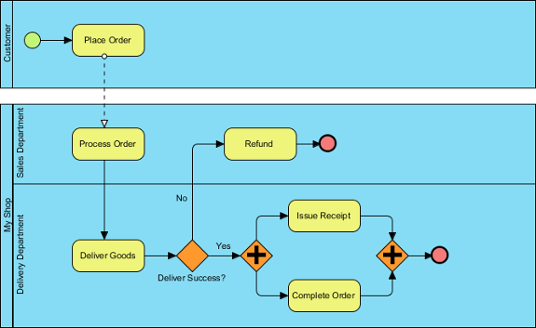
  • Developing a business process diagram for your startup

    Developing a business process diagram for your startup

    As a entrepreneur, you can have a lifestyle of freedom and flexibility not offered to an employee. However, being a owner of a small business also carries greater responsibility with many more tasks to juggle. This means you need to understand the tasks required by everyone around.

    Entrepreneur

    • Planning and Strategy – You are the principal strategist and planner.
    • Finance and Accounting – Depending on the business, some owners can bootstrap and start with a smaller budget, but either way you’ll also need to set up and maintain business bank accounts, payment processing, accounts payable and accounts receivable, and taxes.
    • Legal – From forming a limited liability company to creating legal contracts. You might need to write, review and sign legal contracts and sales agreements.
    • Marketing and Sales – No matter how good your product or service is, you need marketing and sales to drive business. Depending on the business, you could be doing print advertising, public relations, online marketing, networking, cold calling and managing commissioned salespeople.
    • Customer Service – In the beginning, most entrepreneurs are responsible for conducting all of the customer service duties. These include phone calls, email messages and follow-ups concerning product delivery and quality issues.
    • Human Resources – As a small business grows, so do its hiring needs to accommodate more orders and faster growth. The entrepreneur  needs to identify human resources needs, write job descriptions, screen and interview candidates, train, manage and pay employees.

    Customers

    Nurturing relationships with your customers is a crucial part of growing a startup business. In this age of ecommerce and technology innovation, caring for your customers has never been more important.

    The easiest way to get, keep and get your loyal customer to promote your business is to:

    Interact with your customers

    Here are some simple lessons:

    • Keeping your patience is key to giving your customer the time to air out their issue.
    • Do everything in your power to provide excellent service to your customers on an ongoing basis.
    • it’s important to truly listen
    • Treat a Customer Like a Valued Partner
    • Build Trust by alerting your customers to Large Scale Changes, Good or Bad
    • Being transparent in the digital age is a must.
    • No matter the circumstance, the customer is always right.

    Business operations

    This is the core of the business, it handles everything. If you can understand what this does and how it does it, to provide an excellent customer experience each time within budget, your business has the best opportunity for success. Don’t leave any stone unturned in making your operation understandable by ALL stakeholders in the business, staff, shareholders and most importantly your customers.

    business process diagram for your startup
    business process diagram for your startup

    Financial

    Financial planning and cash management is fundamental to a startup.  Perhaps the most challenging part of building a startup is forecasting revenue targets. You can take one of two approaches; a top down and bottom up approach.

    • The top down approach involves identifying comparable companies to yours that have grown to be successful and modeling your revenue growth curve similar to these companies.
    • The bottom up approach makes use of your market research to look at how many customers you can reach, the number you can persuade to work with you and how many you can capture as paying customers.

    The final step in your financial plan is to develop your cash flows. Revenue minus cost of goods provides positive cash and operating expenses and capital expenses (purchase of assets) use up cash. Every startup must have a good view on how much cash they will need to get through each phase of the business.

  • 5 places to run your startup business, on the cheap

    What places to run your startup business?

    When starting out, you only seem to have costs and they keep coming in. The five set of fees are:

    1. Office space
    2. Utilities
    3. Incorporating and legal fees
    4. Accounting costs for the first year in business
    5. Payroll for employees

    So one of the main costs is office space and if we can reduce that we can survive for longer and hopefully last until we start making more money than we spend.

    1. Run your startup business from home. This won’t work for every business, but if it will work for yours it can save you a pile of cash on utilities and rent.
    2. Coffee Shop’s are happy to have you and have good wifi. You also get to meet like minded people and can invite people for meetings in the coffee shop.
    3.  Look out for a business incubator which helps startups by providing them space, mentors and events. These are normally free for a set period.
    4. Spare desk in someone else’s office. A lot of businesses have space and if you can use one or two desks in return for some form of payment, even your manpower it will be cheaper and more flexible.
    5. Find a co-working space where you can rent space as-needed for much less than the cost of a traditional commercial office which is normally looking for 3-5 years.

    Just remember when looking for office space its “Location, location, location.” , which drives home just how important location is when choosing a space for your startup business.

  • Entrepreneurship as a career choice – Millennial Entrepreneurs

    Entrepreneurship as a career choice – Millennial Entrepreneurs

    The Millennials are making the career choice of being an entrepreneur.

    Promoting entrepreneurship as a viable career option and supporting self-employment on an higher educational campus has both community and economic relevance. The role of higher educational campuses to nurture and develop the entrepreneurial and innovative talent is foundation to creating the next generation within our community. The trend is for millennial University students to be empowered to come out of university with an understanding of entrepreneurship, with a view that these skills and knowledge allow them to make informed life choices.

    Millennial Entrepreneurs

    Our Millennial Entrepreneurs understand how to start new businesses and take on the risk and rewards of being an founder.  Entrepreneurs are the dreamers who are fuelled by the desire to pioneer, lead, innovate and invent disruptive technologies and products. The tech savvy millennial wants to work the way then want, the hours they want make the opportunities they want.

    In the 1980s we saw a massive increase in self employed and now their children are following the footsteps or the desire of their parents and opted for a career that was decided by their elders. However, the opening up of the world economy during the 1990’s and the great advances in tech field has had far reaching impact on the way business was done world over.

    Millennial Entrepreneurs Motivation

    These momentous changes are opening up new business creation tools and unexplored business models for the young and ambitious who were not satisfied being put in a single career for their entire life. Young people are drawn towards entrepreneurship because:

    1. The desire to be their own boss and have better control
    2. The motivation to take risks in the changed global environment where unexplored new opportunities were present
    3. The ambition to develop and execute a plan right from the ground level
    4. The aim to do well financially and take their growth trajectory to unprecedented level

    New Venture Creation (NVC) Programmes are available to equip nascent entrepreneurs with the skills necessary to start a scalable business.  These university degrees have been developed by entrepreneurs to support Millennial Entrepreneurs on the entrepreneurial journey, and to develop the entrepreneur within  alongside an in-depth understanding of how to start and run a business.

    Students will be in a class with like-minded Millennial Entrepreneurs developing a strong network of entrepreneurs. Throughout the  degree, the focus will progressively move from entrepreneurial mindset, creativity, venture feasibility and marketing, to business operations, stakeholder communications, sales and growth strategies.

  • 6 ways to find a co-founder

    6 ways to find a co-founder

    Co-founders are normally people involved in the initial launch of startup companies. Anyone can be a co-founder, but frequently co-founders are entrepreneurs, engineers, hackers, funders, web developers, web designers and others involved in the ground level of a new  venture.   The first step in finding your co-founder is to map yours needs.  Make sure you are perfectly clear on what skillsets/resources will be the most important for the success of the startup, and best fill a hole in your own resume and desired management team.

      1. Friends from University – It worked for the guys at Facebook and Google, so just get out and meet other students.
      2. Former co-workers – If you’ve worked together as employees, you might be able to work together as co-founders. You have the history and know each others skill sets.
      3. People you meet over coffee – We see hot beds of startups co-locating themselves in coffee shops, just talk to the guy next to you.
      4. Former co-founders in another venture – There’s no better person to launch with than someone that has started a company before.
      5. Accelerators – Related to some of the other co-working suggestions, simply applying to a startup accelerator can lead to finding a co-founder.
      6. At meet-ups – Tech Meetups are great places to find co-founders and they are easy to find and also go to.
  • What skills do you need to be a successful Entrepreneur?

    What skills do you need to be a successful Entrepreneur?

    When starting a business, we all come at from different directions, at different ages, different backgrounds. There are so many skills required to run your own startup. Successful Entrepreneur skills, are the ones you’ll need to run everything from serving customers to preparing your accounts. Below are listed 13  core skills required in running a startup business and how you might develop your core skill set further. The successful Entrepreneur skills are:

    1. Opportunity Recognition – The recognition of new markets and opportunities, such as a new customers’ need is core to becoming a successful entrepreneur.
    2. Ideation – Ideation is the creative process of generating, developing, and communicating new ideas. Always write your ideas down in a book and come back to them when you can do something about it.
    3. Research & Analysis – This involves both qualitative and quantitative data collection and analysis. Understanding the customers, competitors and costs structure are important in making a startup work.
    4. Resources Identification – Working out the resource requirements then leads to determining what types of resources you will need to start-up and operate your startup.
    5. Risk Analysis – This process of defining and analysing the dangers to your startup business posed by potential natural and human-caused events.
    6. Tactical Planning – As a startup the horizon is low, so focus on this process of outlining business plans for the coming year. This differs from strategic planning as strategic planning encompasses longer-term goals that reflect the company’s direction and its purpose outlined in its mission statement.
    7. Operational Design – Operational design is the first level of strategy implementation and rests upon operational art. This cognitive approach uses your skill, knowledge, experience, creativity, and judgment to develop operations to organise and employ the resources available.
    8. Business Modelling – A business model is the map of how a startup generates revenue and makes a profit from its value proposition. From this a business plan and processes may be derived.
    9. Cash Flow – In the early days of a business maintaining a healthy cash level, liquidity ensure the business survives. Cash is king.
    10. Team Building – As a new business building a team is important, which requires various types of activities used to enhance social relations and define roles within team are developed and maintained.
    11. Branding – Branding is one of the most important aspects of any business, it develops you icon and a connection with your suppliers, customers and financial stakeholders.
    12. Marketing – The communications of you value proposition should generate leads which can be turned into sales.
    13. Negotiating & Selling – Getting the right prices from your suppliers and selling at the right price is fundamental for a startup to grow. These skills go hand in hand together.