Category: Blog

  • Its Sunday Afternoon, what should I do?

    Its Sunday Afternoon, what should I do?

    Entrepreneur self-improvement

    Choosing the path of self-improvement and personal development can be one of the most transformative decisions you make in your life. It is a journey of continuous growth, introspection, and intentional change, and there are compelling reasons why you should consider following this path.

    First and foremost, self-improvement empowers you to take control of your life. It shifts the locus of control from external factors to yourself, allowing you to shape your destiny. By actively working on improving various aspects of your life, you become the author of your story, rather than a passive observer.

    Furthermore, the path of self-improvement fosters self-awareness. It encourages you to reflect on your strengths and weaknesses, values, beliefs, and goals. This self-awareness is a cornerstone of personal growth, as it enables you to make informed decisions, set meaningful goals, and align your actions with your values.

    Self-improvement also enhances resilience. Life inevitably presents challenges, setbacks, and adversities. Through personal development, you acquire the skills and mindset to bounce back from these challenges stronger than before. You learn to view obstacles as opportunities for growth and develop the mental toughness needed to persevere.

    The pursuit of personal growth often leads to increased happiness and fulfillment. As you achieve personal milestones and work towards becoming the best version of yourself, you experience a sense of accomplishment and purpose. This can have a profound positive impact on your overall well-being and quality of life.

    Additionally, self-improvement opens doors to new possibilities. It encourages you to step out of your comfort zone, explore uncharted territories, and embrace change. By doing so, you may discover hidden talents, passions, and interests that can enrich your life and career.

    Moreover, personal development can improve your relationships. As you develop self-awareness and emotional intelligence, you become better equipped to communicate effectively, empathize with others, and build stronger connections with those around you.

    In essence, the path of self-improvement is a journey of self-discovery, growth, and empowerment. It equips you with the tools and mindset needed to navigate life’s challenges, find fulfillment, and lead a more purposeful existence. While the path may be challenging at times, the rewards of becoming the best version of yourself are immeasurable. So, embrace this journey, and let it guide you toward a more meaningful and fulfilling life.

    So what should I do?

    If Sunday is your only day off as an aspiring entrepreneur, you can still make the most of it to improve your skills and work on your business. Here are some suggestions:

    1. Plan Your Week: Use Sunday to plan your upcoming week. Set clear goals, prioritize tasks, and create a to-do list to stay organized and focused.
    2. Learn: Dedicate some time to learning. Read books, articles, or take online courses related to entrepreneurship, business strategy, or your industry.
    3. Networking: Reach out to fellow entrepreneurs, industry peers, or mentors for virtual coffee chats or networking events. Building connections can provide valuable insights and opportunities.
    4. Strategic Thinking: Use this day to think strategically about your business. Reflect on your long-term vision and brainstorm ways to grow or improve.
    5. Self-Care: Don’t forget to take care of yourself. Rest and relaxation are crucial for productivity. Consider some leisure activities or exercise to recharge.
    6. Market Research: Stay updated on market trends and your competitors. Research can help you make informed decisions for your business.
    7. Evaluate Progress: Review your past week’s accomplishments and setbacks. Use this reflection to adjust your strategy and set new goals.
    8. Experiment: Try out new ideas or strategies you’ve been considering. Use Sunday as a day for experimentation and innovation.
    9. Financial Planning: Manage your business finances. Update budgets, track expenses, and ensure your financial goals are on track.
    10. Digital Presence: Work on your online presence, update your website, social media profiles, or create content that engages your audience.

    Remember, it’s important to strike a balance between work and personal life, even if you only have one day off. Use Sunday to set yourself up for a productive and successful week ahead, but also make sure to allocate some time for relaxation and self-care.

    Topics to learn, as an entrepreneur

    As an entrepreneur, there are several key topics and skills you should ensure you learn to effectively run and grow your business. Here are some essential areas to focus on:

    1. Business Fundamentals:
      • Understanding basic business concepts, such as revenue, profit, expenses, and cash flow.
    2. Market Research:
      • Learning how to research your target market, identify customer needs, and assess market trends.
    3. Business Planning:
      • Creating a solid business plan that outlines your goals, strategies, and financial projections.
    4. Financial Management:
      • Managing finances, including budgeting, forecasting, and monitoring cash flow.
    5. Marketing and Branding:
      • Developing marketing strategies, building a brand, and effectively promoting your products or services.
    6. Sales and Customer Relations:
      • Learning sales techniques and how to build and maintain strong customer relationships.
    7. Legal and Regulatory Compliance:
      • Understanding relevant laws, regulations, and compliance requirements for your industry.
    8. Networking and Relationship Building:
      • Building a network of contacts, mentors, and potential collaborators within your industry.
    9. Leadership and Management:
      • Developing leadership skills to lead your team effectively and manage your business.
    10. Technology and Innovation:
      • Staying updated on technology trends that can enhance your business operations and staying open to innovation.
    11. Time Management and Productivity:
      • Learning time management techniques to maximize your productivity and efficiency.
    12. Risk Management:
      • Identifying and mitigating potential risks to your business, including financial, operational, and market-related risks.
    13. Adaptability and Resilience:
      • Developing the ability to adapt to changing circumstances and bounce back from setbacks.
    14. E-commerce and Online Presence:
      • If relevant to your business, understanding e-commerce strategies and building a strong online presence.
    15. Social and Environmental Responsibility:
      • Recognizing the importance of social and environmental responsibility and integrating these values into your business practices.
    16. Mental Health and Well-being:
      • Prioritizing mental health and well-being to maintain resilience and balance in your entrepreneurial journey.

    Remember that entrepreneurship is a continuous learning process. The specific topics you need to focus on may vary depending on your industry, business type, and personal goals. Continuously seeking knowledge and adapting to changing circumstances is crucial for success in entrepreneurship.

    Where to find this material

    Yes, there are many self-help websites and online platforms that offer a wealth of information, tools, and resources to help you improve various aspects of your life, including personal development, mental health, productivity, and more. Here are a few popular self-help websites:

    1. Psychology Today (www.psychologytoday.com): Offers articles, blogs, and a therapist directory to help with mental health and personal growth.
    2. MindTools (www.mindtools.com): Provides a wide range of resources for personal and professional development, including articles, quizzes, and tools for improving skills like leadership and time management.
    3. Tiny Buddha (tinybuddha.com): Focuses on mindfulness, meditation, and personal development with a collection of articles and community forums.
    4. Lifehacker (lifehacker.com): Features articles and tips on productivity, technology, and life hacks to improve your daily routines.
    5. Greater Good Magazine (greatergood.berkeley.edu): Offers science-based articles and practices for fostering happiness, compassion, and well-being.
    6. Happify (www.happify.com): Provides activities, games, and guided meditations designed to boost emotional well-being and reduce stress.
    7. Good Therapy (www.goodtherapy.org): Offers articles, videos, and a therapist directory for those seeking mental health support and self-improvement.
    8. Zen Habits (zenhabits.net): A blog by Leo Babauta that explores simplicity, mindfulness, and habit change to help you lead a more meaningful life.
    9. Coursera (www.coursera.org): While primarily an online learning platform, Coursera offers a wide range of courses on personal development, leadership, and well-being.
    10. TED Talks (www.ted.com): Provides a vast collection of inspirational and informative talks on various topics, including personal growth, psychology, and motivation.

    These websites offer a wealth of articles, tools, and community support to help you on your self-improvement journey. Remember to explore the content on these platforms, and consider what resonates with you and aligns with your personal goals and needs.

    Certainly, using the learning materials mentioned earlier, I can provide a condensed summary of why you should consider embarking on the path of self-improvement:

    Choosing the path of self-improvement is a powerful and transformative decision. It places you in control of your destiny, empowering you to shape your life intentionally. This journey begins with self-awareness, enabling you to understand your strengths, weaknesses, values, and goals. This self-knowledge forms the foundation upon which you can build a more fulfilling life.

    Self-improvement equips you with the resilience needed to overcome life’s challenges. By reframing setbacks as opportunities for growth, you develop the mental fortitude to persevere and thrive. As you achieve personal milestones, you experience heightened happiness and a profound sense of purpose, enhancing your overall well-being.

    This path also leads to newfound possibilities and passions. Stepping out of your comfort zone allows you to uncover hidden talents and interests, enriching both your personal life and career. Furthermore, personal development enhances your relationships by fostering effective communication and empathy, strengthening the connections you share with others.

    In essence, the journey of self-improvement is a transformative odyssey of self-discovery, growth, and empowerment. It equips you with invaluable tools and a growth-oriented mindset to navigate life’s challenges, leading to a more purposeful and satisfying existence. While it may present challenges, the rewards of becoming the best version of yourself are immeasurable. Embrace this journey wholeheartedly, and let it guide you toward a more meaningful life.

  • The Entrepreneurs Map of the World: Global Venture Quest

    The Entrepreneurs Map of the World: Global Venture Quest

    Introduction

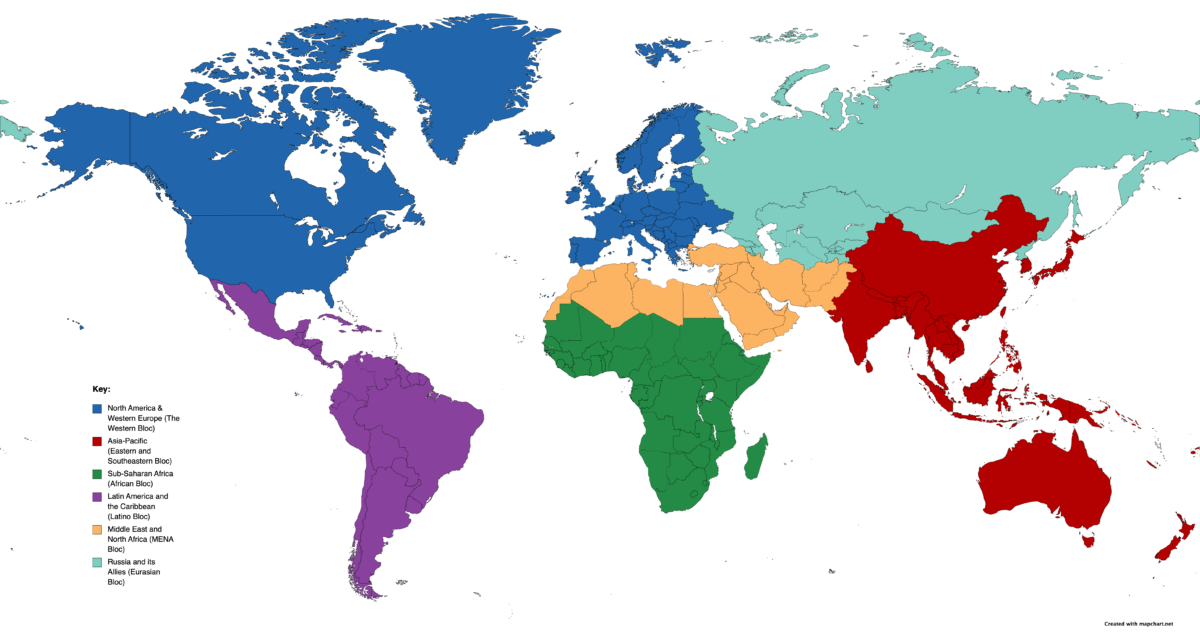
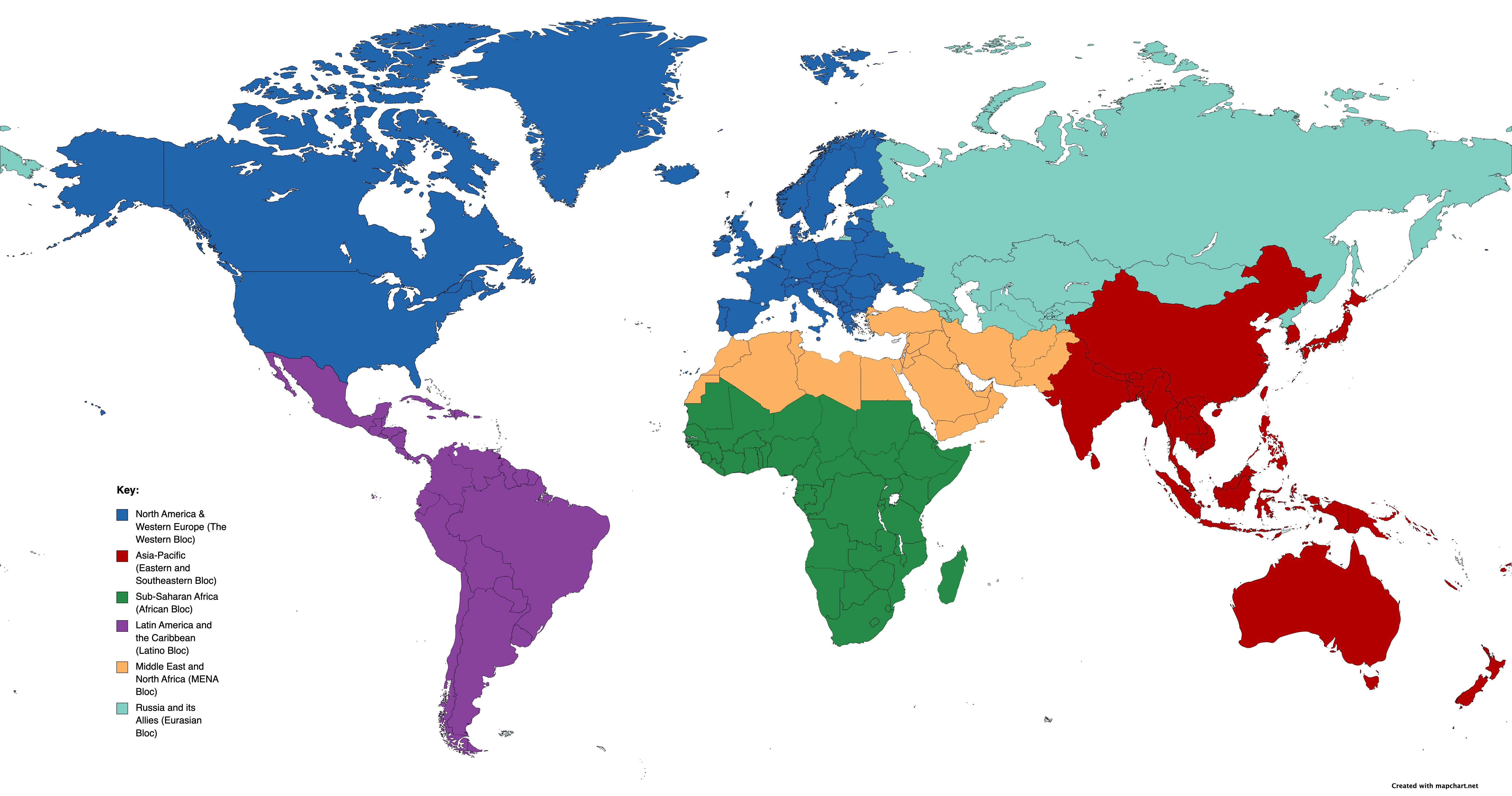
    The world is vast, diverse, and brimming with opportunities for entrepreneurs. By examining six political groupings, we can uncover unique entrepreneurial prospects tailored to each region’s strengths, culture, and needs. Let’s embark on this global journey!

    Six Political Groups: A Review

    These are broad groupings.

    1. North America & Western Europe (The Western Bloc):
    • Population: Over 800 million.
    • Land Mass: Approximately 19,123,457 km².
    • Language: Predominantly English, French, German, Spanish, and Italian.
    • Business Culture: Formal, structured, and driven by innovation. Emphasis on punctuality, clear communication, and contractual agreements.
    • Trade Opportunities:
      • Green Tech: With a strong focus on sustainability, there’s a growing demand for green technologies, renewable energy solutions, and sustainable products.
      • Digital Health: Aging populations in Europe require advanced healthcare solutions, making telemedicine and health tech startups particularly promising.
      • Locations:
        • Silicon Valley (USA) for tech startups.
        • Berlin (Germany) for its vibrant startup ecosystem.
      • Potential Customers:
        • Environmentally-conscious consumers.
        • Elderly populations seeking healthcare solutions.
    1. Russia and its Allies (Eurasian Bloc):
    • Population: Over 250 million.
    • Land Mass: Over 17 million km² (Russia alone).
    • Language: Russian and related languages.
    • Business Culture: Hierarchical with a mix of Western and Eastern influences. Personal relationships and trust are crucial.
    • Trade Opportunities:
      • Energy Resources: Russia is one of the world’s largest producers of oil and natural gas. The country has vast reserves, making the energy sector a dominant player in its exports.
      • Minerals and Metals: The Eurasian Bloc, particularly Russia, is rich in minerals like gold, diamonds, coal, and rare earth metals. Kazakhstan is a significant producer of uranium.
    1. Asia-Pacific (Eastern and Southeastern Bloc):
    • Population: Over 4 billion.
    • Land Mass: Approximately 35,514,500 km².
    • Language: Mandarin, Hindi, Japanese, Korean, Bahasa Indonesia, among others.
    • Business Culture: Diverse, with a blend of tradition and modernity. Respect for hierarchy, emphasis on relationships, and face-saving are common traits.
    • Trade Opportunities:
      • E-commerce: With the digital boom in countries like China, e-commerce platforms and solutions have immense potential.
      • Robotics: Japan’s expertise in robotics can be leveraged for sectors like healthcare, entertainment, and manufacturing.
    • Locations:
      • Shenzhen (China) for electronics and manufacturing.
      • Tokyo (Japan) for robotics and tech innovations.
    • Potential Customers:
      • Young, tech-savvy populations.
      • Industries seeking automation solutions.
    1. Middle East and North Africa (MENA Bloc):
    • Population: Over 400 million.
    • Land Mass: Approximately 15 million km².
    • Language: Primarily Arabic, with variations across countries.
    • Business Culture: Relationship-driven with a high regard for tradition. Hospitality and face-to-face meetings are valued.
    • Trade Opportunities:
      • Renewable Energy: Moving away from oil, there’s potential in solar and wind energy ventures.
      • Cultural Tourism: The ancient Silk Road and historical sites offer unique tourism opportunities.
      • Locations:
        • Dubai (UAE) for its business-friendly environment.
        • Samarkand (Uzbekistan) for tourism centered around historical sites.
      • Potential Customers:
        • Global industries seeking renewable energy solutions.
        • History buffs and travelers.
    1. Sub-Saharan Africa (African Bloc):
    • Population: Over 1 billion.
    • Land Mass: Approximately 7,769,477 km².
    • Language: A vast array, including Swahili, Hausa, Yoruba, Zulu, and English.
    • Business Culture: Diverse across countries, but generally relationship-driven with a mix of traditional and Western influences.
    • Trade Opportunities:
      • Fintech: With a significant unbanked population, mobile money and fintech solutions can thrive.
      • Eco-tourism: Africa’s rich biodiversity offers opportunities for sustainable tourism ventures.
      • Locations:
        • Nairobi (Kenya) for its growing tech hub.
        • Cape Town (South Africa) for tourism ventures.
      • Potential Customers:
        • Local populations seeking banking alternatives.
        • International tourists.
    1. Latin America and the Caribbean (Latino Bloc):
    • Population: Over 600 million.
    • Land Mass: Approximately 15,459,746 km².
    • Language: Primarily Spanish and Portuguese.
    • Business Culture: Relationship-centric with a relaxed approach to time. Family and personal connections play a significant role.
    • Trade Opportunities:
      • Agri-business: With vast arable lands, businesses can explore organic farming, coffee cultivation, and more.
      • Cultural Tourism: The rich heritage and festivals can be leveraged for tourism.
      • Locations:
        • São Paulo (Brazil) for agri-business ventures.
        • Mexico City (Mexico) for cultural enterprises.
      • Potential Customers:
        • Global consumers of agricultural products.
        • Culture enthusiasts and travelers.

    In conclusion, each political grouping presents a unique blend of culture, resources, and opportunities. Understanding the nuances of each region is crucial for businesses looking to expand globally. From the tech hubs of the Western Bloc to the vast natural resources of the African and Eurasian Blocs, the world offers a plethora of trade and investment opportunities for the discerning entrepreneur.

    Global Venture Quest – Classroom Game

    Objective: To educate university students about the six political groupings and the entrepreneurial opportunities they offer, while also teaching them the basics of starting and running a successful business.

    Setup:

    • A game board depicting a world map divided into the six political groupings. Download from here.
    • Opportunity cards specific to each region, detailing potential business ideas. See below.
    • Challenge cards that present obstacles or advantages based on real-world scenarios. See below.
    • Venture tokens representing different business resources: capital, manpower, technology, etc.
    • Player tokens to move around the board.

    How to Play:

    1. Starting Out:
      • Each player selects a token and starts at desire country.
      • Players are given a set number of venture tokens to start their entrepreneurial journey.
    2. Moving Around:
      • Players roll a dice to move around the board. Landing on a region allows them to draw an ‘Opportunity Card’ specific to that region.
      • The Opportunity Card will present a business idea related to that region’s strengths (e.g., Green Tech in Europe or Agri-tech in South Asia).
    3. Investing in Opportunities:
      • To invest in an opportunity, players spend their venture tokens. Different opportunities will require different combinations of resources.
      • Once invested, players receive a ‘Business Card’ for that opportunity, which they keep for the game’s duration.
    4. Facing Challenges:
      • As players move around the board, they may land on ‘Challenge Spaces’. Here, they draw a ‘Challenge Card’ which may present obstacles (e.g., political instability, economic downturn) or advantages (e.g., a tech boom, favorable trade policies).
      • Challenges can affect the success of their businesses, requiring them to adapt or pivot.
    5. Expanding and Collaborating:
      • Players can expand their businesses by investing in new opportunities in different regions.
      • Players can also collaborate, merging resources to tackle bigger opportunities or challenges.
    6. Winning the Game:
      • The game ends when all Opportunity Cards have been drawn.
      • Players calculate their success based on the number of businesses they’ve started, minus any challenges they couldn’t overcome.
      • The player with the most successful ventures across the different regions wins, showcasing their global entrepreneurial prowess.

    Educational Value:

    • Players learn about the unique entrepreneurial opportunities in each political grouping.
    • They understand the challenges of starting and running a business in different global contexts.
    • Collaboration and strategy are key, teaching players the value of partnerships and adaptability.

    Expansion Ideas:

    • Introduce ‘Tech Upgrade’ cards that allow businesses to adopt new technologies, reflecting the real-world importance of tech in entrepreneurship.
    • ‘Cultural Insight’ cards can provide players with knowledge about local customs and practices, emphasizing the importance of cultural understanding in global business.

    “Global Venture Quest” is not just a game but an interactive learning experience, making the complexities of global entrepreneurship accessible and engaging for university students.

    Opportunity Cards for Each region

    These “Opportunity Cards” are designed to reflect the unique strengths and potential of each region. Players can use them to strategize their moves and investments, making the game both educational and engaging. Each bullet point below is on a separate card.

    1. North America & Western Europe (The Western Bloc):

    • Green Tech Revolution: Invest in a startup focusing on sustainable energy solutions.
    • Digital Health Innovations: Launch a telemedicine platform catering to the aging population.
    • Luxury Brand Expansion: Open a luxury fashion boutique in a prime European city.
    • Automotive Tech: Develop autonomous driving software in collaboration with leading car manufacturers.
    • Fintech Innovations: Create a digital banking platform targeting millennials.

    2. Russia and its Allies (Eurasian Bloc):

    • Energy Exploration: Secure a contract for oil and gas exploration in Siberia.
    • Mineral Mining Venture: Start a mining operation focusing on rare earth metals.
    • Agricultural Expansion: Invest in large-scale wheat and barley farming.
    • Defense Tech Partnership: Collaborate with a defense firm to upgrade military equipment.
    • Tourism Boost: Establish a luxury resort near historical Russian landmarks.

    3. Asia-Pacific (Eastern and Southeastern Bloc):

    • E-commerce Platform: Launch an e-commerce site catering to the rising middle class.
    • Robotics Startup: Develop robots for elderly care, especially in Japan.
    • Textile Factory: Open a sustainable textile production unit in Southeast Asia.
    • IT Outsourcing Hub: Establish an IT consulting firm in India’s tech cities.
    • Seafood Export Business: Start a seafood export company in the Pacific region.

    4. Middle East and North Africa (MENA Bloc):

    • Solar Energy Park: Invest in a large-scale solar energy project in a desert region.
    • Cultural Tourism: Set up a travel agency focusing on historical and cultural tours.
    • Petrochemical Plant: Establish a petrochemical processing plant near oil reserves.
    • Luxury Real Estate: Develop luxury resorts in coastal areas targeting international tourists.
    • Desalination Project: Start a water desalination plant to address water scarcity.

    5. Sub-Saharan Africa (African Bloc):

    • Mobile Banking App: Launch a fintech solution for the unbanked population.
    • Eco-tourism Venture: Establish an eco-friendly safari resort in a wildlife-rich region.
    • Agricultural Tech: Introduce modern farming techniques to boost crop yields.
    • Artisanal Marketplace: Create an online platform for African artisans to sell crafts globally.
    • Renewable Energy Project: Invest in wind or hydroelectric power projects.

    6. Latin America and the Caribbean (Latino Bloc):

    • Coffee Export Business: Start a specialty coffee export business from Brazil or Colombia.
    • Cultural Festival: Organize a pan-Latin music and arts festival attracting global tourists.
    • Eco-friendly Resorts: Develop sustainable beach resorts in the Caribbean.
    • Tech Hub: Establish a tech startup incubator in a major Latin city.
    • Agri-business: Invest in organic farming, focusing on fruits and vegetables for export.

    Challenge Cards

    These “Challenge Cards” are designed to simulate real-world scenarios that global entrepreneurs might face. They add an element of unpredictability to the game, requiring players to adapt, strategize, and make decisions based on changing circumstances.

    1. North America & Western Europe (The Western Bloc):

    • Regulatory Hurdles: New EU regulations impact your business. Adjust your strategy.
    • Economic Downturn: Recession hits. Reduce your investments for two turns.
    • Brexit Implications: Trade barriers arise. Pause any UK-based ventures for a turn.
    • Tech Boom: A surge in tech investments. Double your tech-related ventures’ returns for three turns.
    • Labor Strikes: Operations halt in your factories. Lose a turn.

    2. Russia and its Allies (Eurasian Bloc):

    • Sanctions Imposed: Western sanctions affect your exports. Lose 20% of your venture tokens.
    • Gas Pipeline Deal: Secure a major energy contract. Gain extra venture tokens.
    • Political Instability: Protests disrupt business. Pause your ventures for a turn.
    • Arctic Opportunity: Discover new oil reserves. Boost energy-related ventures.
    • Cybersecurity Threat: Your IT ventures face cyber-attacks. Invest in security or lose a turn.

    3. Asia-Pacific (Eastern and Southeastern Bloc):

    • Trade War: Tariffs impact your exports. Reduce your investments for two turns.
    • Digital Revolution: E-commerce booms. Double returns on digital ventures for three turns.
    • Natural Disaster: A tsunami affects your coastal ventures. Lose a turn for recovery.
    • Manufacturing Surge: Production costs drop. Boost your manufacturing ventures.
    • Border Tensions: Political tensions affect trade. Pause any ventures involving affected countries.

    4. Middle East and North Africa (MENA Bloc):

    • Oil Price Crash: Global oil prices plummet. Energy ventures yield lower returns.
    • Historical Site Discovery: Tourism booms in a region. Boost your tourism ventures.
    • Political Unrest: Instability affects business. Pause your ventures for a turn.
    • Green Energy Shift: Solar energy demand rises. Boost your renewable energy ventures.
    • Water Crisis: Water scarcity affects agriculture. Invest in solutions or face reduced returns.

    5. Sub-Saharan Africa (African Bloc):

    • Infrastructure Challenges: Poor infrastructure affects logistics. Lose a turn.
    • Mobile Tech Boom: Mobile technology adoption surges. Double returns on tech ventures.
    • Drought Conditions: Agriculture is affected. Invest in irrigation or face reduced returns.
    • Emerging Market: A country’s economy booms. Boost your ventures in that region.
    • Health Crisis: An outbreak affects operations. Pause your ventures for a turn.

    6. Latin America and the Caribbean (Latino Bloc):

    • Currency Devaluation: A country’s currency crashes. Reduce your investments for two turns.
    • Carnival Boom: A major festival boosts tourism. Gain extra venture tokens.
    • Political Change: A new government affects trade policies. Adjust your strategy.
    • Rainforest Opportunity: Sustainable ventures in the Amazon gain traction. Boost eco-related ventures.
    • Natural Resource Discovery: Discover a major mineral reserve. Boost related ventures.

    Venture tokens

    Players start with a set number of each token and can acquire more as they progress in the game. The strategic use of these tokens, based on the opportunities and challenges faced, will determine the success of their ventures and their overall standing in the game.

    1. Capital Token (💰):

    • Description: Represents financial resources available for investment.
    • Use: Essential for starting any venture. Players can acquire more through successful ventures or trade with other players.

    2. Technology Token (🔧):

    • Description: Symbolizes technological assets and innovations.
    • Use: Crucial for tech-related ventures or to upgrade existing businesses. Can also be used to counteract certain challenges, like cybersecurity threats.

    3. Manpower Token (👥):

    • Description: Represents skilled labor and human resources.
    • Use: Needed for ventures that require significant manpower, such as manufacturing units or service industries.

    4. Infrastructure Token (🏗️):

    • Description: Denotes physical infrastructure like factories, offices, or logistics networks.
    • Use: Essential for establishing physical businesses or expanding existing ones.

    5. Market Access Token (🌐):

    • Description: Symbolizes access to new markets or consumer bases.
    • Use: Vital for expanding ventures into new regions or tapping into larger consumer demographics.

    6. Research & Development Token (🔍):

    • Description: Represents investment in research, innovation, and product development.
    • Use: Crucial for ventures in sectors like pharmaceuticals, tech, or any field requiring innovation.

    7. Branding & Marketing Token (📢):

    • Description: Denotes branding, marketing, and promotional assets.
    • Use: Essential for ventures that rely heavily on consumer awareness, branding, or market presence.

    8. Sustainability Token (🌿):

    • Description: Symbolizes sustainable practices and green technologies.
    • Use: Vital for eco-friendly ventures or to upgrade existing businesses to be more sustainable.

    9. Legal & Compliance Token (⚖️):

    • Description: Represents legal assets, patents, and compliance certifications.
    • Use: Crucial for navigating regulatory challenges or securing intellectual property rights.

    10. Partnership & Alliance Token (🤝):

    • Description: Denotes strategic partnerships, alliances, or mergers.
    • Use: Can be used to collaborate with other players, merge resources, or tackle bigger opportunities and challenges.

    Summary

    “Global Venture Quest” is an interactive board game designed to immerse university students in the world of global entrepreneurship. Players navigate six political groupings, seizing unique business opportunities while tackling region-specific challenges. Using “Venture Tokens” representing various business resources, players strategize, invest, and collaborate to establish successful ventures across the globe. From the tech hubs of the Western Bloc to the resource-rich landscapes of the African Bloc, players experience the complexities and rewards of international business.


    Learning Outcomes:

    1. Global Business Acumen:
      • Gain insights into the diverse entrepreneurial opportunities present in different political groupings.
      • Understand the nuances of doing business in various regions, from regulatory challenges to cultural considerations.
    2. Strategic Thinking & Decision Making:
      • Develop the ability to strategize based on available resources, market conditions, and potential risks.
      • Make informed decisions on where and how to invest, ensuring the best possible returns.
    3. Resource Management:
      • Learn the importance of effectively managing and allocating resources, from capital and technology to manpower and market access.
      • Understand the value of sustainability in business, utilizing green practices and technologies.
    4. Collaboration & Negotiation:
      • Experience the benefits of forming strategic partnerships and alliances.
      • Hone negotiation skills, collaborating with peers to tackle bigger challenges or seize larger opportunities.
    5. Risk Assessment & Problem Solving:
      • Evaluate potential risks associated with various business ventures and geopolitical scenarios.
      • Develop problem-solving skills, navigating challenges, and pivoting strategies when necessary.
    6. Cultural Competency:
      • Gain a deeper appreciation for the diverse business cultures across the globe.
      • Understand the significance of cultural nuances, from communication styles to decision-making processes.
    7. Real-world Application:
      • Relate game scenarios to real-world business situations, preparing for actual challenges in the global market.
      • Recognize the importance of staying updated with global trends, geopolitical shifts, and emerging markets.

    In conclusion, “Global Venture Quest” offers university students a dynamic learning experience, bridging classroom theory with practical insights into global entrepreneurship. Through gameplay, students not only enhance their business acumen but also develop essential skills that will serve them well in their future careers.

  • Creative Destruction and Entrepreneurship: The Dynamic Duo of Economic Development

    Creative Destruction and Entrepreneurship: The Dynamic Duo of Economic Development

    Introduction

    In the intricate ballet of economic systems, two dancers emerge as the most captivating: creative destruction and entrepreneurship. Their dance, though seemingly paradoxical, is a testament to the ever-evolving nature of economies and the inherent need for innovation and progress. As we stand at the crossroads of economic development, understanding the interplay between these two forces becomes paramount. This introduction seeks to shed light on the dynamic relationship between creative destruction and entrepreneurship and their collective role in shaping the economic tapestry.

    The concept of creative destruction, though sounding ominous, is a natural and necessary phenomenon in the world of economics. It’s akin to a forest fire that, while destructive, paves the way for new growth. Similarly, in economic terms, it represents the phasing out of outdated industries and technologies, making room for the new. On the other hand, entrepreneurship embodies the spirit of innovation, the spark that ignites the flame of progress. Entrepreneurs are the visionaries who see beyond the present, identifying gaps, and crafting solutions that often redefine the very fabric of industries.

    But why is it essential, as entrepreneurs to understand the relationship between these two? The answer lies in the cyclical nature of economic growth. Old industries, over time, may become complacent, inefficient, or simply irrelevant. This stagnation creates a vacuum, a space for disruption. Enter the entrepreneur, the agent of change, ready to introduce novel ideas, technologies, and business models. Their ventures, though fraught with risks, have the potential to revolutionize sectors and set new standards. As these ventures succeed, they contribute to economic expansion, job creation, and technological advancement. However, in time, even these revolutionary businesses can become the ‘old guard,’ and the cycle of creative destruction begins anew.

    For nations and policymakers, this dance is not just an academic interest but a roadmap for sustainable economic development. It underscores the need for agility, adaptability, and a forward-looking vision. In a world that’s changing at an unprecedented pace, clinging to old models is not just detrimental; it’s fatal. Economies need to be in a state of flux, ready to adapt, evolve, and reinvent. This requires a conducive environment that fosters innovation, encourages risk-taking, and celebrates entrepreneurial spirit.

    As we delve deeper into the nuances of creative destruction and entrepreneurship, we’ll explore their historical context, real-world implications, and the lessons they offer for future economic strategies. The dance of economic evolution is ongoing, and understanding its rhythm is key to ensuring that we’re not just spectators but active participants in shaping a prosperous future.

    The Dynamic Duo

    In the realm of economic development, two concepts stand out as driving forces behind innovation and progress: creative destruction and entrepreneurship. These two concepts, while seemingly at odds, are in fact deeply intertwined and play a pivotal role in fostering economic growth and transformation. Let’s delve into how these two forces work in tandem to shape the economic landscape.

    What is Creative Destruction?

    Coined by the Austrian economist Joseph Schumpeter in his work “Capitalism, Socialism, and Democracy” (1942), the term “creative destruction” refers to the process by which old industries and technologies are replaced by new ones. It’s the idea that, in order for an economy to grow and evolve, outdated businesses and practices must be dismantled to make way for innovative and efficient alternatives.

    Reference: Schumpeter, J. A. (1942). Capitalism, Socialism, and Democracy. Harper & Brothers.

    The Role of Entrepreneurship

    Entrepreneurship, on the other hand, is the act of creating, developing, and scaling new businesses. Entrepreneurs are often at the forefront of innovation, identifying gaps in the market and introducing novel solutions. Their ventures, while risky, have the potential to introduce groundbreaking technologies and services that can redefine industries.

    Reference: Drucker, P. (1985). Innovation and Entrepreneurship. Harper & Row.

    The Symbiotic Relationship

    So, how do creative destruction and entrepreneurship work together? The answer lies in the cycle of innovation:

    1. Destruction of the Old: As industries age, inefficiencies arise. Technologies become obsolete, and consumer demands shift. This creates vulnerabilities and opportunities for disruption.
    2. Birth of the New: Entrepreneurs, sensing these vulnerabilities, introduce innovative solutions. These new businesses challenge the status quo, often leveraging newer technologies and models.
    3. Economic Growth: As these new businesses thrive, they contribute to economic growth. They create jobs, increase productivity, and introduce new products and services that benefit consumers.
    4. Repeat: Over time, even these new businesses become susceptible to disruption, and the cycle continues.

    Reference: Aghion, P., & Howitt, P. (1992). A Model of Growth Through Creative Destruction. Econometrica, 60(2), 323-351.

    Implications for Economic Development

    For policymakers and stakeholders, understanding the relationship between creative destruction and entrepreneurship is crucial. It underscores the importance of:

    • Fostering a Culture of Innovation: Encouraging risk-taking, providing access to capital, and ensuring a regulatory environment that supports startups can catalyze entrepreneurial activity.
    • Embracing Change: Rather than resisting change, economies should be agile and adaptive, recognizing that disruption is not just inevitable but beneficial in the long run.
    • Investing in Education and Training: As industries evolve, the workforce needs to adapt. Investing in education ensures that workers have the skills needed to thrive in a constantly changing environment.

    Reference: Romer, P. M. (1990). Endogenous Technological Change. Journal of Political Economy, 98(5), S71-S102.

    The Academic Theories at Play

    The interplay between creative destruction and entrepreneurship, as described in the text, can be connected to several academic theories and concepts from the fields of economics, business, and innovation studies. Here are some of the most relevant theories:

    1. Schumpeterian Growth Theory: This theory is rooted in the works of Joseph Schumpeter, who introduced the concept of “creative destruction.” Schumpeter posited that economic growth in capitalist systems is driven by innovations, which often render older technologies or products obsolete. Entrepreneurs play a central role in this process by introducing these innovations.
      • Schumpeter, J. A. (1942). Capitalism, Socialism, and Democracy. Harper & Brothers.
    2. Resource-Based View (RBV) of the Firm: This theory suggests that firms possess certain unique resources and capabilities that give them a competitive advantage. Over time, as the external environment changes, some of these resources may become obsolete, necessitating innovation and entrepreneurial activity to maintain or regain a competitive edge.
      • Barney, J. (1991). Firm Resources and Sustained Competitive Advantage. Journal of Management, 17(1), 99-120.
    3. Disruptive Innovation Theory: Introduced by Clayton Christensen, this theory explains how simpler, cheaper innovations can eventually overtake and disrupt established market leaders. This aligns with the idea of entrepreneurs identifying vulnerabilities in the market and introducing novel solutions.
      • Christensen, C. M. (1997). The Innovator’s Dilemma: When New Technologies Cause Great Firms to Fail. Boston: Harvard Business School Press.
    4. Endogenous Growth Theory: Proposed by economists like Paul Romer and Robert Lucas, this theory emphasizes the internal factors of an economy, like technological innovation and human capital, as drivers of growth. It underscores the importance of entrepreneurship and innovation in long-term economic development.
      • Romer, P. M. (1990). Endogenous Technological Change. Journal of Political Economy, 98(5), S71-S102.
      • Lucas, R. E. (1988). On the Mechanics of Economic Development. Journal of Monetary Economics, 22(1), 3-42.
    5. Institutional Theory: This theory looks at how institutional environments (like regulations, norms, and cultural beliefs) influence organizational behavior. In the context of the text, it can be related to how conducive environments foster innovation and entrepreneurial activity.
      • Scott, W. R. (2008). Institutions and Organizations: Ideas and Interests. Sage Publications.
    6. Network Theory: This theory emphasizes the importance of networks and connections in the diffusion of innovations. Entrepreneurs often leverage their networks to gain resources, knowledge, and market access, which can be crucial for the success of their innovative ventures.
      • Granovetter, M. (1973). The Strength of Weak Ties. American Journal of Sociology, 78(6), 1360-1380.
    7. Theory of Entrepreneurial Opportunities: This theory suggests that opportunities for entrepreneurship arise from discrepancies between current and potential resource allocations. Entrepreneurs recognize and exploit these opportunities, leading to economic growth and transformation.
      • Shane, S., & Venkataraman, S. (2000). The Promise of Entrepreneurship as a Field of Research. Academy of Management Review, 25(1), 217-226.
    8. Evolutionary Economics: Rooted in the works of economists like Richard Nelson and Sidney Winter, this theory views the economy as an evolving system. Firms and technologies undergo a process of variation, selection, and retention, similar to biological evolution. Creative destruction is a natural outcome of this process.
      • Nelson, R. R., & Winter, S. G. (1982). An Evolutionary Theory of Economic Change. Belknap Press.

    These theories, among others, provide a robust academic foundation for understanding the dynamic relationship between creative destruction and entrepreneurship and their collective impact on economic development.

    Conclusion

    Creative destruction and entrepreneurship are indeed good bedfellows within the ecosystem of economic development. Together, they drive innovation, foster growth, and ensure that economies remain dynamic and resilient in the face of change. Embracing these forces is key to building a prosperous and sustainable future. Over the next decade, the interplay between creative destruction and entrepreneurship is poised to reshape global industries. Key destructions include:

    1. Sustainability Drive: The urgency of climate change will propel green entrepreneurship, challenging industries reliant on non-renewable resources.
    2. Blockchain’s Disruption: Traditional centralized systems, especially in finance and supply chains, will face disruption from blockchain’s transparent and decentralized nature.
    3. Healthcare Evolution: The pandemic’s aftermath will accelerate health tech innovations, revolutionizing traditional healthcare models.
    4. AI’s Double-Edged Sword: While AI and automation will birth new industries, they may also diminish certain job sectors, necessitating innovative workforce solutions.
    5. Space’s New Frontier: The burgeoning space economy, led by companies like SpaceX, will introduce entrepreneurial opportunities in space tourism and exploration.

    In conclusion, the coming decade up to the 2030s promises a whirlwind of change driven by creative destruction and entrepreneurial innovation. While challenges await, these shifts also herald opportunities for growth, adaptation, and global advancement. The future landscape will be shaped by those who embrace change and harness the power of innovation.

  • The Journey of a Quintessential Entrepreneur: From Spark to Success

    The Journey of a Quintessential Entrepreneur: From Spark to Success

    Every entrepreneurial journey begins with a spark – an idea, a vision, or a passion. It’s a path laden with challenges, learning experiences, and moments of immense pride. While no two entrepreneurial journeys are identical, many share common phases and challenges. So join me and let’s explore the quintessential trajectory of an entrepreneur’s voyage, from inception to expansion.

    1. The Spark: Ideation

    This is where it all begins. Whether it’s a solution to a pressing problem or a novel concept, the idea forms the foundation of every startup. Entrepreneurs might draw inspiration from personal experiences, market gaps, or innovative concepts from other fields.

    2. Market Research and Validation

    Before diving headfirst into the business world, it’s crucial to gauge the potential of the idea. This entails studying the market, understanding potential competitors, and identifying the target audience. This stage often involves surveys, focus groups, or prototype testing to validate the demand for the proposed product or service.

    3. Planning: The Business Model

    An idea, no matter how brilliant, needs a solid plan behind it. This stage involves creating a detailed business model, including revenue streams, operational plans, and marketing strategies. Many entrepreneurs draft their first business plan here, a document that becomes vital for future funding pursuits.

    4. Seed Funding: Fueling the Dream

    With a clear plan in hand, it’s time to seek initial funding. This can come from personal savings, friends, family, or angel investors. Seed funding is often used to develop a minimum viable product (MVP), hire initial staff, and launch preliminary marketing campaigns.

    5. Launch: Taking the Plunge

    This is the moment of truth. The business launches its product or service to the public. It’s a phase of excitement, anxiety, and rapid learning. Initial feedback from customers becomes crucial, as it will shape many immediate decisions.

    6. Growth and Scaling

    Once the product gains traction, it’s time to think bigger. This may involve expanding the team, broadening the product line, or entering new markets. Growth is exhilarating but also comes with its own set of challenges: managing larger teams, maintaining company culture, and ensuring quality as output increases.

    7. Seeking Further Investment

    To support this growth, entrepreneurs often seek additional rounds of funding. Venture capitalists, private equity firms, or even public offerings become potential avenues. With more funds comes greater responsibility and scrutiny.

    8. Maturity and Possible Exits

    As the business stabilizes and becomes a key player in the market, entrepreneurs might consider exit strategies. This could be in the form of selling the business, merging with a bigger player, or simply setting up a reliable management team while stepping back from day-to-day operations.

    9. Facing Challenges Head-On

    It’s worth noting that this journey isn’t a smooth upward trajectory. Entrepreneurs face countless challenges: financial pressures, market changes, team dynamics, and personal stress. Resilience, adaptability, and a growth mindset are crucial attributes that help entrepreneurs navigate these waters.

    10. The Continuous Learning Cycle

    Entrepreneurship is a never-ending learning process. Even beyond the initial launch and growth, there’s always something new around the corner – be it technological advancements, shifts in consumer behavior, or global market changes.

    Journey Summary

    The journey of an entrepreneur is a testament to human perseverance, creativity, and ambition. While fraught with challenges and uncertainties, it’s a path that can lead to immense personal and societal rewards. For those considering embarking on this adventure, remember: every big enterprise begins with a simple idea and the courage to pursue it.

    The Entrepreneurial Story

    I have been told it’s easier to remember a story, a narrative, than a list of ten points which are key to developing your business, so here is Julie’s story based on the ten points and a famous fairy tale. Maybe it’ll help you remember it.

    Julie’s Enchantment: From a Lonely Castle to Digital Dominance

    Once upon a time, in a world where information reigned supreme, Julie lived in an isolated digital castle, overshadowed by the more prominent and dazzling websites in the kingdom of the Internet. But there was something unique about Julie’s castle: a mysterious algorithm, a beast, which when tamed, could make any website shine bright. Julie aimed to master the algorithm and use its power to help smaller websites find their voice.

    1. The Enchanted Castle: The Idea The expansive halls of Julie’s digital castle were filled with ancient scrolls of codes and cryptic SEO strategies. Julie realized that by understanding these cryptic tales, she could help websites lost in the shadows find their rightful place in the kingdom.

    2. The Rose: Deciphering the SEO Enigma Every website had a digital rose, an essence, waiting to bloom fully. Julie embarked on a mission to decode the secrets, diving deep into the mysteries of SEO, ensuring every rose reached its full potential before its petals fell.

    3. The Ballroom Plan: The Grand Strategy In the castle’s grand ballroom, Julie danced with her thoughts, plotting a plan. She envisioned ‘CastleBoost,’ a sanctuary where websites could learn, grow, and shine, dancing gracefully to the rhythm of search engines.

    4. The Enchanted Fund: A Magical Sponsor During a royal digital ball, Julie shared her vision with an intrigued sorceress, who saw the potential in Julie’s dream and decided to invest her magical coins, giving Julie the push she needed.

    5. The Midnight Launch: CastleBoost Awakens Under a digital crescent moon, CastleBoost was unveiled to the world. The magic began to swirl as websites, once lost and forgotten, started to gleam and shimmer.

    6. The Transformation: Websites Begin to Shine From rustic sites to elegant platforms, under Julie’s guidance, websites underwent enchanting transformations. CastleBoost grew, attracting digital artisans, coders, and content maestros.

    7. The Grand Ball: Expansion and Celebration News of Julie’s enchanted touch spread throughout the digital kingdom. CastleBoost was not just a service; it was a celebration, a ball where every website danced in the limelight.

    8. The Rose Garden: A Flourishing Empire CastleBoost blossomed into an empire of its own, with rose gardens symbolizing the multitude of websites it had aided. Yet, the charm lay not in numbers, but in the stories of each website it had revived.

    9. Challenges: The Enchantress’ Tests Yet, the digital realm was ever-evolving. New enchantments and spells posed challenges. But with every test from the Enchantress (the ever-changing algorithm), Julie adapted, ensuring CastleBoost’s magic remained potent.

    10. The Everlasting Dance: CastleBoost Academy Understanding the need to share the magic, Julie inaugurated the CastleBoost Academy, ensuring that the dance of websites, the magic of SEO, would continue for eons.

    In Summary

    Julie’s tale is a mesmerizing dance between determination and enchantment. In a kingdom where visibility was power, Julie and CastleBoost ensured that no website, no matter how small or overlooked, was left in the shadows. Like the story of beauty and the beast, Julie saw the beauty in every website, teaching them to dance and shine amidst the vast digital realm.


  • The role of civic and political entrepreneurship

    The role of civic and political entrepreneurship

    Introduction

    Last week Birmingham City Council (England, UK) declared itself bankrupt. Reports from the BBC, The Guardian and Financial Times all reported on various viewpoints and reasons for this demise. Birmingham City Council is the largest council in Europe with over 1 million residents and therefore has a set of opportunities, which I know it should think about before rushing back into business as usual.

    Civic and Political Entrepreneurship

    Civic entrepreneurship refers to individuals or groups who actively engage in addressing societal issues and improving their communities through innovative and proactive approaches. They may work outside and more importantly, with traditional government or nonprofit structures and aim to create positive social change.

    Some Examples:

    • Community-Based Renewable Energy Projects: In many countries, individuals and groups are coming together to develop community-owned renewable energy projects, such as wind or solar farms. These projects not only promote clean energy but also empower local communities economically.
    • Urban Gardens and Green Spaces: Civic entrepreneurs often initiate and maintain urban gardens and green spaces in densely populated areas. These initiatives improve access to fresh produce, enhance the environment, and foster a sense of community.
    • Citizen-Led Disaster Relief: In the aftermath of natural disasters, civic entrepreneurs often organize grassroots relief efforts. They coordinate volunteers, gather donations, and provide aid to affected communities faster than traditional relief organizations.

    Global Case Studies:

    • Brazil’s Favela Painting Project: In Brazil’s favelas (informal settlements), artists and community members have come together for projects like painting colorful murals on buildings. These efforts not only beautify the areas but also empower residents and create opportunities for economic growth.
    • India’s Self-Help Groups: Self-help groups in India, often led by civic entrepreneurs, have been instrumental in empowering women in rural areas. These groups provide financial literacy, microloans, and community support, enabling women to start businesses and improve their livelihoods.

    Defining Civic Entrepreneurship:

    • Theory and Concepts (Waddock & Post, 1991): This seminal work introduced the term “civic entrepreneurship” and emphasized its role in addressing social and environmental issues. It framed civic entrepreneurs as change agents who operate at the intersection of business, government, and civil society.
    • Civic Entrepreneurship: in search of sustainable development. (Banuri, T., Najam, A., & Spanger-Siegfried, E. (2003): This study highlights Civic entrepreneurship and how it is driven explicitly by the public interest, and seeks to create new ways of building social capital and of harnessing existing ideas, methods, inventions, technologies, resources or management systems in the service of collective goals.

    Key Themes in Civic Entrepreneurship:

    Social Innovation and Impact: Civic entrepreneurs are often associated with pioneering solutions to societal challenges, emphasising social and environmental impact (Mair & Marti, 2006).

    Collaboration and Partnerships: Civic entrepreneurship thrives on collaborative efforts among diverse stakeholders, including government agencies, nonprofits, businesses, and community groups (Ridley-Duff & Bull, 2011).

    Localism and Community Engagement: Civic entrepreneurs frequently work at the local level, engaging communities directly to address specific needs and empower residents (Hart, 1997).

    Political entrepreneurship, on the other hand, involves individuals or organisations seeking to influence political processes and policy decisions. These actors often employ innovative strategies to advocate for their interests, advance specific policy agendas, or challenge the status quo within the realm of politics.

    • Populist Political Movements: Around the world, political entrepreneurs have harnessed populist sentiments to create movements that challenge established political parties and systems. Examples include the rise of populist leaders in various countries.
    • Lobbying and Advocacy Groups: Political entrepreneurs establish lobbying organizations to influence policy decisions. For instance, environmental groups like Greenpeace engage in political entrepreneurship by advocating for policies to combat climate change.
    • Online Activism and Social Media Campaigns: Political entrepreneurs leverage social media and digital platforms to mobilize public opinion and influence political discourse. Movements like the Arab Spring and the Black Lives Matter movement have demonstrated the power of online activism.
    • New Political Parties: Some political entrepreneurs create new political parties to challenge the dominance of existing ones. For example, the Five Star Movement in Italy started as an anti-establishment political party and gained significant support.

    Global Case Studies:

    • Taiwan’s Digital Democracy: Taiwan has leveraged political entrepreneurship to enhance digital democracy. The government has engaged in initiatives like the use of online platforms for citizen participation, making it a global leader in digital governance and transparency.
    • Iceland’s Constitutional Reform: After the 2008 financial crisis, political entrepreneurs in Iceland initiated a crowdsourced constitutional reform process. They engaged citizens in drafting a new constitution through online platforms, promoting transparency and citizen involvement in shaping the nation’s future.

    These examples showcase how both civic and political entrepreneurship play crucial roles in addressing social issues, shaping political landscapes, and fostering positive change at local and regional levels.

    Creating an Entrepreneurial Birmingham City Council

    Let’s start by providing some general insights into how civic and political entrepreneurship could potentially help address financial challenges faced by a Birmingham City Council:

    • Revenue Generation: Civic entrepreneurs could explore innovative revenue-generating initiatives. For instance, they might encourage public-private partnerships to develop unused city-owned properties, spaces and resources creating new income streams for the city.
    • Cost Efficiency: Civic entrepreneurs could work on finding ways to make city services more efficient. This might involve implementing digital solutions, streamlining administrative processes, and reducing unnecessary expenditures.
    • Community Engagement: Engaging the community in decision-making and budget allocation processes through civic entrepreneurship can help prioritize essential services and ensure that taxpayer money is well-spent.
    • Fiscal Transparency: Political entrepreneurs can advocate for greater fiscal transparency within the city council. This could involve pushing for more accessible budget information, performance metrics, and accountability measures.
    • Advocacy for Reform: Political entrepreneurs may also champion reforms in local governance structures and financial management practices to prevent future financial crises.
    • Public-Private Partnerships: Both civic and political entrepreneurs can explore opportunities for responsible public-private partnerships that can help alleviate financial burdens on the city while maintaining essential services.

    It’s important to note that addressing financial challenges and preventing bankruptcy in a city council, such as Birmingham is a complex and multifaceted endeavour. Collaboration between civic and political entrepreneurs, along with effective leadership and community support, would be key components of any successful effort to avert bankruptcy. Therefore the specific strategies and solutions would depend on the unique circumstances of Birmingham itself. So lets make some tangible proposals for change.

    Enhancing Cost Efficiency through Civic Entrepreneurship in Birmingham City Council

    Birmingham City Council faces financial challenges that require innovative approaches to maintain essential services while reducing costs. This proposal outlines a civic entrepreneurship strategy to achieve cost savings and improve the overall financial health of the council.

    Objective:
    The primary goal of this proposal is to identify and implement cost-saving measures within Birmingham City Council through civic entrepreneurship, without compromising the quality of services provided to residents.

    Proposal Details:

    • Digital Transformation:
      • Collaborate with local tech entrepreneurs and startups to digitize administrative processes and services, reducing paperwork, manual tasks, and associated costs.
      • Outcome: Cost savings from reduced administrative overhead and improved efficiency.
    • Energy Efficiency Initiatives:
      • Partner with local green energy initiatives and entrepreneurs to retrofit city-owned buildings and facilities for energy efficiency.
      • Outcome: Lower energy bills, reduced environmental impact, and potential revenue from excess energy production.
    • Community-Led Maintenance Programmes:
      • Encourage community groups to adopt and maintain parks, public spaces, and community centres, reducing the city’s maintenance costs.
      • Outcome: Reduced maintenance expenses, improved community engagement.
    • Shared Services Agreements:
      • Facilitate discussions with neighbouring councils and businesses to explore shared service agreements for certain functions, such as waste management or emergency services. All Libraries, School and Council Buildings could be used out of hours to increase space utilisation and reveneue.
      • Outcome: Shared costs and resources, leading to savings for all parties involved.
    • Transparency and Accountability Platform:
      • Develop a digital platform that provides residents with transparent access to the council’s budget, expenditures, and performance metrics.
      • Outcome: Increased accountability, potential for residents to suggest cost-saving ideas.
    • Community-Led Fundraising Campaigns:
      • Encourage citizen-led fundraising campaigns for specific projects or services to supplement the city’s budget.
      • Outcome: Additional revenue sources for targeted initiatives.

    Monitoring and Evaluation:
    Regularly assess the impact of these civic entrepreneurship initiatives on cost reduction and service quality. Adjust strategies as needed based on performance data and feedback from residents and entrepreneurs.

    Conclusion:
    This proposal outlines a base-line strategy for Birmingham City Council to harness the power of civic entrepreneurship to reduce costs while maintaining or improving services. By fostering collaboration with local entrepreneurs, community groups, and residents, the council can navigate its financial challenges more effectively and ensure a sustainable future for the city.

  • Exploring Entrepreneurship Theory

    Exploring Entrepreneurship Theory

    Over the years, the study of entrepreneurship has evolved, giving rise to a myriad of theories that attempt to explain the complex nature of entrepreneurial activity. The journey of understanding entrepreneurship began with the Opportunity Recognition Theory. Historically, entrepreneurs were seen as individuals with a keen eye for spotting unmet market needs. This theory posited that the essence of entrepreneurship lay in the ability to recognize and act upon these unique opportunities, setting the foundation for future theories.

    As the business landscape became more competitive, the Resource-Based Theory emerged, emphasizing the importance of resources in entrepreneurial success. Entrepreneurs were no longer just opportunity spotters; they were resource mobilizers, gathering the necessary human, financial, and physical assets to drive their ventures forward.

    However, the linear approach of first spotting an opportunity and then gathering resources was challenged by the Effectuation Theory. Saras Sarasvathy’s groundbreaking work suggested that many entrepreneurs start with their available means and then co-create opportunities, turning the traditional model on its head.

    In the early 20th century, Joseph Schumpeter introduced the Innovation Theory, painting entrepreneurs as agents of “creative destruction.” They were the disruptors, introducing innovations that rendered old industries obsolete and paved the way for new economic structures.

    While these theories focused on external factors, the Psychological Trait Theory looked inward, suggesting that inherent psychological traits could predispose individuals to entrepreneurial success. This theory sparked debates on whether entrepreneurs were born or made, leading to extensive research on entrepreneurial characteristics.

    The importance of relationships and networks in entrepreneurship was highlighted by the Social Network Theory. Entrepreneurs were not isolated actors but were deeply embedded in networks that provided them with vital information, resources, and support.

    The Institutional Theory then broadened the perspective, examining how external institutional environments influenced entrepreneurial behavior. Entrepreneurs were not just reacting to market opportunities but were also shaped by the regulatory, cultural, and societal contexts in which they operated.

    The Push and Pull Theory provided insights into the motivations behind entrepreneurial pursuits. While some were driven by external factors pushing them into entrepreneurship, others were pulled by the allure of opportunity and independence.

    As the global entrepreneurial landscape became more interconnected, the Entrepreneurial Ecosystem Theory emerged, emphasizing the importance of a supportive environment in fostering entrepreneurial activity. This theory highlighted the symbiotic relationship between entrepreneurs and their ecosystems.

    Lastly, the Human Capital Theory brought the focus back to the entrepreneur, emphasizing the role of knowledge, skills, and experience in entrepreneurial success. This theory underscored the importance of continuous learning and adaptation in the ever-evolving world of entrepreneurship.

    In conclusion, the development and progression of these theories reflect the multifaceted nature of entrepreneurship. Entrepreneurahip sits at the interconnection of all business theories. From opportunity spotters to innovators, resource mobilizers to network builders, the entrepreneur’s role has been viewed through various lenses. These theories, built over time, offer a comprehensive understanding of the entrepreneurial journey, each adding a unique layer to the rich tapestry of entrepreneurial research.

    List the ten most important Entrepreneurship Theories

    So for our students of entrepreneurship, now I am going to list them with key references to the original sources:

    1. Opportunity Recognition Theory: This theory posits that successful entrepreneurs have a unique ability to recognize and capitalize on new business opportunities that others might overlook.
    2. Resource-Based Theory: This theory emphasizes the importance of acquiring and leveraging key resources (human, financial, physical, and organizational) to gain a competitive advantage in the marketplace.
    3. Effectuation Theory: Introduced by Saras Sarasvathy, this theory suggests that entrepreneurs often start with what they have (resources, knowledge, networks) and then choose ventures based on these means, rather than starting with a pre-determined goal.
    4. Innovation Theory: Proposed by Joseph Schumpeter, this theory highlights the role of entrepreneurs as innovators who disrupt existing markets and create new ones through the introduction of new products, services, or processes.
      • Schumpeter, J. A. (1934). The theory of economic development. Harvard University Press.
      • Freeman, C. (1982). The economics of industrial innovation. MIT press.
    5. Psychological Trait Theory: This theory suggests that certain psychological traits, such as risk-taking propensity, need for achievement, and locus of control, predispose individuals to become successful entrepreneurs.
    6. Social Network Theory: This theory emphasizes the importance of social networks in providing entrepreneurs with resources, information, and support, which can be crucial for the success of their ventures.
    7. Institutional Theory: This theory focuses on how institutional environments (like regulatory structures, cultural norms, and societal values) can influence entrepreneurial activity and outcomes.
    8. Push and Pull Theory: This theory suggests that entrepreneurs are either “pushed” into entrepreneurship due to factors like job dissatisfaction or unemployment, or “pulled” due to factors like spotting an opportunity or a desire for independence.
    9. Entrepreneurial Ecosystem Theory: This theory posits that entrepreneurship thrives in environments where various elements (like funding, talent, infrastructure, and culture) support and nurture entrepreneurial activity.
    10. Human Capital Theory: This theory emphasizes the importance of knowledge, skills, and experience in influencing an entrepreneur’s ability to recognize opportunities and succeed in their ventures.

    Entrepreneurship, a dynamic field, has been shaped by various theories over the years. The Opportunity Recognition Theory posits that entrepreneurs have a knack for identifying market gaps. The Resource-Based Theory underscores the importance of leveraging resources for a competitive edge. In contrast, the Effectuation Theory suggests entrepreneurs co-create opportunities based on available means. Schumpeter’s Innovation Theory paints entrepreneurs as disruptors, while the Psychological Trait Theory explores inherent traits that predispose individuals to entrepreneurship. The Social Network Theory emphasizes the significance of relationships, and the Institutional Theory examines the influence of external environments on entrepreneurial behavior. The Push and Pull Theory delves into entrepreneurial motivations, and the Entrepreneurial Ecosystem Theory highlights the interplay between entrepreneurs and their environments. The Human Capital Theory focuses on the role of knowledge and experience.

    If we were to broaden the scope of the theories under review then I would include, Cultural Theory of Entrepreneurship suggests that cultural values and beliefs can either foster or hinder entrepreneurial activities. The Legitimacy Theory posits that for startups to succeed, they need to gain legitimacy in the eyes of stakeholders. The Ambiguity and Uncertainty Theory emphasizes how entrepreneurs navigate and thrive in uncertain environments. Together, these theories provide a comprehensive understanding of the multifaceted world of entrepreneurship.

    The potential path for entrepreneurship as a field of research

    Looking forward, the landscape of entrepreneurship is bound to evolve in response to global challenges, technological advancements, and changing societal values. Here are some potential directions for the development of entrepreneurial theories in the future:

    1. Sustainability and Environmental Entrepreneurship Theory: As environmental concerns become paramount, a theory focusing on entrepreneurs who prioritize sustainability, green technologies, and eco-friendly practices might emerge. This theory would delve into the motivations, challenges, and opportunities faced by “eco-preneurs.”
    2. Digital and Virtual Entrepreneurship Theory: With the rise of virtual realities, blockchain, and digital spaces, understanding entrepreneurship in these realms will become crucial. This theory might explore how entrepreneurs create value in purely digital ecosystems.
    3. Social Impact Entrepreneurship Theory: As societal challenges grow, entrepreneurs focusing on social impact will gain prominence. This theory would study the balance between profit-making and creating societal value.
    4. Neuro-Entrepreneurship Theory: With advancements in neuroscience, there might be a deeper exploration of the entrepreneurial brain, understanding decision-making, risk-taking, and innovation at a neural level.
    5. Resilience and Adaptability Theory: In a world facing rapid changes and crises (like pandemics), understanding how entrepreneurs adapt, pivot, and remain resilient will be crucial.
    6. Inclusive Entrepreneurship Theory: This would focus on promoting entrepreneurship in traditionally marginalized groups, understanding the unique challenges and opportunities they face.
    7. Space Entrepreneurship Theory: As space exploration becomes more commercialized, understanding entrepreneurship beyond our planet might become a reality.
    8. Bio-Entrepreneurship Theory: With biotechnology advancing rapidly, a theory focusing on entrepreneurs at the intersection of biology, ethics, and business could emerge.
    9. Gig and Platform Economy Theory: As the gig economy grows, understanding the entrepreneurial opportunities and challenges in platform-based businesses will be essential.
    10. Cultural Fusion Entrepreneurship Theory: As the world becomes more interconnected, entrepreneurs who can fuse multiple cultures to create globally appealing products and services might become more prominent.

    While it’s challenging to predict the future with certainty, these directions reflect the evolving challenges and opportunities in our world. As always, entrepreneurial theories will evolve to provide insights and frameworks that resonate with the times, as the very definition of entrepreneurship has.

    Written in August 2023, so lets see what happens.

  • 3000 years of business milestones and what’s next

    3000 years of business milestones and what’s next

    In the last three thousand years, we have witnessed a multitude of significant milestones in the realm of business, allowing us today to have a set of tools that allow us to start new businesses. Here’s a brief overview of some of the most notable ones:

    1. Ancient Trade Routes (circa 1000 BCE): The establishment of the Silk Road and other trade routes facilitated the exchange of goods, ideas, and cultures between the East and West.
    2. Coinage (circa 600 BCE): The Lydians in modern-day Turkey are believed to have produced the first coins, revolutionizing trade and commerce.
    3. Double-Entry Bookkeeping (13th century): This system, which originated in medieval Europe, particularly Italy, laid the foundation for modern accounting.
    4. Joint-Stock Companies (16th century): The Dutch East India Company, founded in 1602, was one of the first joint-stock companies, allowing multiple investors to pool their resources in large ventures.
    5. Industrial Revolution (18th-19th century): This period saw a shift from agrarian economies to industrial and manufacturing ones, driven by technological innovations like the steam engine.
    6. Stock Exchanges (18th-20th century): The establishment of stock exchanges in major cities around the world, such as the New York Stock Exchange and the London Stock Exchange, facilitated the trading of company shares.
    7. Rise of Multinational Corporations (20th century): Companies like Ford, Coca-Cola, and IBM expanded globally, influencing international trade and politics.
    8. Digital Revolution (late 20th century): The advent of computers and the internet transformed businesses, leading to the rise of tech giants like Microsoft, Apple, and Google.
    9. E-commerce Boom (late 20th-21st century): Companies like Amazon and Alibaba redefined retail, making online shopping a global phenomenon.
    10. Sharing Economy (21st century): Platforms like Uber, Airbnb, and TaskRabbit have changed the way we think about ownership and service provision.
    11. Blockchain and Cryptocurrencies (21st century): The introduction of Bitcoin in 2009 and subsequent cryptocurrencies have challenged traditional notions of currency and transaction methods.
    12. COVID-19 Pandemic (2020-2021): The global crisis accelerated digital transformation, remote work, and e-commerce, while also highlighting the importance of supply chain resilience.

    This list is by no means exhaustive, but each of these milestones has had profound implications for global commerce, trade, and the way societies function. They have also set the stage for the future of entrepreneurship.

    Navigating the Future: Key Trends Shaping the Next Half-Century

    As we stand on the precipice of a new era, the horizon is painted with transformative trends that promise to redefine the fabric of our societies, economies, our personal and entrepreneurial lives. The next 50 years beckon with unprecedented possibilities, driven by technological advancements, societal shifts, and the pressing challenges of our time. Here I want to discuss the most prominent trends that are poised to shape our collective future.

    At the forefront of global priorities is the urgent call for Sustainability and Climate Action. The undeniable impacts of climate change, coupled with a growing global consciousness, make it almost certain that the coming decades will be marked by a fervent push towards sustainable practices, renewable energy sources, and green technologies. This trend is not just an environmental imperative but also an economic and social one, as nations (try) rally to ensure a habitable planet for future generations.

    Parallel to our earthly concerns, the allure of the cosmos persists. Space Exploration and Colonization have transitioned from the pages of science fiction to tangible goals. Companies like SpaceX and Blue Origin are not just reaching for the stars but envisioning a future where humanity might establish a footprint on distant planets like Mars.

    Back on Earth, Artificial Intelligence (AI) and Automation are no longer nascent technologies but powerful forces reshaping industries, economies, and daily life. From self-driving cars to AI-driven medical diagnoses, the fusion of machine learning and automation promises both unparalleled efficiencies and new ethical dilemmas.

    In the realm of healthcare, Biotechnology and Personalized Medicine stand out as game-changers. The decoding of the human genome and advances in biotech are paving the way for treatments tailored to individual genetic profiles, potentially revolutionizing medical outcomes and even extending human lifespans.

    The lines between the physical and digital worlds are blurring, thanks to the rise of Virtual and Augmented Reality (VR & AR). These technologies, while currently popular in gaming and entertainment, hold vast potential for education, training, and immersive experiences that challenge our perception of reality.

    The financial world is also undergoing a seismic shift with the advent of Decentralized Finance and Cryptocurrencies. Beyond the volatility of Bitcoin and its peers, the underlying blockchain technology offers a vision of a financial system that’s more transparent, decentralized, and potentially more equitable.

    This era also heralds a new phase of Global Connectivity, often termed as Web 3.0 or the metaverse. This interconnected digital realm promises more immersive online experiences, reshaping how we work, socialize, and entertain.

    Yet, as we embrace these technological marvels, we must also navigate the complexities of a shifting Global Power landscape. Emerging economies, technological prowess, and geopolitical strategies will redefine leadership on the world stage.

    The way we work and learn is also in flux. The rise of Remote Work and Digital Nomadism, accelerated by the COVID-19 pandemic, challenges traditional office norms. Simultaneously, Education Transformation is on the cards, with online platforms and skill-based live long learning training gaining prominence over conventional academic pathways.

    However, these advancements come with their own set of challenges. Resource Scarcity, driven by population growth and consumption patterns, will necessitate innovations in water conservation, food production, and sustainable land use. Meanwhile, breakthroughs in Neurotechnology and Brain-Computer Interfaces will raise profound ethical and privacy concerns, requiring careful navigation.

    Urban centers will continue to swell, driving the need for Urbanization and Smart Cities that leverage technology for sustainability, efficiency, and improved quality of life. And, undeniably, the scars of the COVID-19 pandemic will shape a heightened focus on Health and Pandemic Preparedness, ensuring that the world is better equipped for potential future health crises.

    In essence, the next 50 years promise a tapestry of innovations, challenges, and opportunities. As we journey through this dynamic landscape, it’s crucial to approach these trends with a blend of optimism, pragmatism, and a commitment to shaping a future that’s inclusive, sustainable, and bright for all.

    Each of these provides opportunities for each of us, as entrepreneurs.

  • What UK sectors are growing and where are the opportunities for us?

    What UK sectors are growing and where are the opportunities for us?

    In this blog I am going to follow the normal logic of coming up with a business idea from starting with a macro-economic viewpoint and ending up with a business idea and MVP proposal. So lets start.

    The UK Economy recap

    The UK’s economy has been undergoing various changes, influenced by factors like Brexit, the COVID-19 pandemic, and global economic shifts. Some of the sectors that were showing significant growth or potential for growth included:

    1. Technology and Digital Services: The tech sector in the UK, especially in cities like London, Manchester, and Cambridge, has been booming. This includes areas like fintech, AI, and software development.
    2. Renewable Energy: With global emphasis on sustainability and reducing carbon emissions, the renewable energy sector, including wind and solar energy, has been growing in the UK.
    3. E-commerce: The pandemic accelerated the shift to online shopping, and e-commerce platforms and related services experienced significant growth.
    4. Health and Wellness: This includes biotech, pharmaceuticals, and health tech, especially given the focus on health due to the pandemic.
    5. Creative Industries: The UK has a strong creative sector, including film, music, and design, which has been growing steadily.

    However, these trends can change, so consult the latest reports or data from sources like the Office for National Statistics (ONS) or industry-specific reports to get the most recent insights on the fastest-growing sectors.

    E-commerce

    So lets look at one of these, it going to be E-Commerce as this trend has been occurring now for around 20 years, so is mature in one sense and still disruptive in another, so demonstrating a continually evolving sector, eg it has longevity. For startups, there are numerous opportunities to explore, innovate, and carve out niches. Here are some opportunities within e-commerce for new startups:

    1. Niche Marketplaces: While giants like Amazon dominate, there’s room for specialized marketplaces catering to specific niches, such as handmade crafts, vintage items, or sustainable products.
    2. Direct-to-Consumer (DTC) Brands: Brands that sell directly to consumers without intermediaries can offer unique products, better prices, and a more personalised shopping experience.
    3. Subscription Boxes: Monthly or quarterly subscription services for niche products (e.g., gourmet foods, beauty products, books) can offer consumers a curated and personalised experience.
    4. Sustainable and Ethical E-commerce: There’s a growing demand for sustainable, eco-friendly, and ethically-produced products. Startups can cater to this market by ensuring transparent supply chains and sustainable practices.
    5. Localized E-commerce: Platforms that cater to local businesses, artisans, or producers, helping them reach local or broader audiences.
    6. Cross-border E-commerce: Helping businesses sell internationally by addressing challenges like shipping, customs, and currency conversion.
    7. E-commerce Platforms for B2B: While B2C e-commerce is massive, there’s growing potential in B2B e-commerce platforms that cater to specific industries or business needs.
    8. Personalization and AI: Using AI to offer personalised shopping experiences, product recommendations, and customer service can set startups apart.
    9. Logistics and Fulfillment Solutions: As e-commerce grows, so does the demand for efficient and cost-effective shipping, warehousing, and last-mile delivery solutions.
    10. E-commerce Tools and Integrations: Offering tools that help e-commerce businesses manage inventory, customer relationships, marketing, or analytics can be a lucrative niche.
    11. Rental and Resale Platforms: With the rise of the circular economy, platforms that facilitate renting or reselling of items (e.g., fashion, electronics) are gaining traction.
    12. Experience-driven E-commerce: Beyond just selling products, offering experiences, classes, workshops, or kits that customers can enjoy at home.
    13. Payment Solutions: Innovations in payment methods, including digital wallets, cryptocurrencies, or buy-now-pay-later options.

    For any startup entering the e-commerce space, it’s crucial to conduct thorough market research, understand the target audience’s needs, and stay updated with technological advancements and consumer trends.

    Direct-to-Consumer Brands are here

    Direct-to-Customer, is a business model where companies sell their products directly to end consumers, bypassing traditional retailers, wholesalers, or other middlemen. This model has gained significant traction in recent years, especially with the rise of e-commerce and data driven digital marketing. Here’s an expanded look at DTC brands:

    Advantages of DTC

    1. Higher Margins: Without intermediaries, companies can often enjoy higher profit margins.
    2. Brand Control: Companies have complete control over their brand narrative, presentation, and customer experience without relying on third-party retailers.
    3. Direct Customer Relationships: DTC brands can build and maintain closer relationships with their customers, allowing for better feedback loops and personalized marketing.
    4. Agile Business Operations: Without the constraints of traditional retail agreements, DTC brands can quickly adapt to market changes, test new products, or pivot their strategies.
    5. Data Collection: Direct interactions allow brands to gather valuable customer data, which can be used to refine marketing strategies, product development, and customer service.

    Challenges of DTC

    1. Increased Responsibility: Brands are responsible for the entire customer journey, including marketing, sales, fulfillment, and after-sales service.
    2. Competition: The DTC space is becoming increasingly crowded, with many brands vying for consumer attention.
    3. Customer Acquisition Costs: As competition grows, the cost to acquire a new customer, especially through digital ads, can be high.
    4. Logistics and Fulfillment: Managing inventory, shipping, returns, and customer service can be complex without the infrastructure that traditional retailers provide.

    Successful Strategies for DTC Brands

    1. Storytelling: Many successful DTC brands have a compelling story or mission that resonates with their target audience.
    2. Quality and Innovation: Offering high-quality products or innovative solutions that aren’t readily available in traditional retail spaces.
    3. Community Building: Engaging with customers through social media, events, or loyalty programs to build a community around the brand.
    4. Utilising Technology: Leveraging technology for personalized marketing, efficient operations, and enhanced customer experiences.
    5. Sustainability: Many modern consumers value sustainability, so DTC brands that emphasise eco-friendly practices or products can stand out.

    Examples of DTC Brands

    Several DTC brands have gained significant recognition and success in recent years. Some examples include:

    • Warby Parker: An eyewear brand that disrupted the traditional eyewear industry with its online try-on and home try-on services.
    • Casper: A mattress and sleep products company that simplified the mattress-buying process.
    • Glossier: A beauty brand that grew out of a beauty blog and emphasizes natural beauty and community-driven product development.
    • Dollar Shave Club: Started as a subscription service for razors and expanded into a full range of men’s grooming products.

    So a DTC model offers an opportunity to have a direct relationship with the customers, control the brand narrative, and potentially enjoy higher profit margins. However, it also comes with its set of challenges, requiring brands to be agile, customer-centric, and innovative.

    My DTC Proposal

    Business Idea: Sustainable Activewear Made from Recycled Materials

    Concept: A DTC brand that produces high-quality activewear using recycled materials, such as ocean plastics or discarded textiles. The brand emphasizes sustainability, ethical production, and performance.

    Unique Selling Proposition (USP)

    1. Eco-friendly: Each product is made from a significant percentage of recycled materials, reducing environmental impact.
    2. Performance-Driven: While sustainable, the activewear is designed for high performance, ensuring durability, comfort, and functionality.
    3. Transparent Supply Chain: Detailed information about sourcing, production, and the journey of each product is provided to consumers.
    4. Give-Back Program: A percentage of every sale goes towards ocean cleanup or other environmental initiatives.

    MVP (Minimum Viable Product)

    Product: A line of basic activewear items, including:

    1. Leggings
    2. Sports bras
    3. Quick-dry t-shirts

    Features:

    1. Each item is made from at least 70% recycled materials.
    2. Products come in a minimalistic design, emphasizing functionality and comfort.
    3. Packaging is eco-friendly and minimal to reduce waste.

    Platform:

    1. A simple e-commerce website showcasing the products, the brand’s story, and its sustainability mission.
    2. Features like product reviews, a blog or content section discussing sustainability in fashion, and detailed product information.

    Marketing:

    1. Collaborate with fitness influencers who align with the brand’s values for initial promotions.
    2. Use social media platforms, especially Instagram and TikTok, to showcase the products, share behind-the-scenes content, and engage with potential customers.
    3. Offer a pre-order discount to generate initial sales and gauge demand.

    Operations:

    1. Partner with a manufacturer that specializes in using recycled materials and can ensure ethical production.
    2. Use a third-party fulfillment center to handle inventory and shipping, allowing the brand to focus on marketing, customer service, and product development.

    Feedback Loop:

    1. Include a feedback form on the website to gather customer insights on product fit, quality, and areas of improvement.
    2. Offer incentives for customers to leave reviews and share their experiences on social media.

    By starting with an MVP, this brand can test the market’s response to the products and concept, gather valuable feedback, and iterate before expanding the product range or scaling operations.

  • The art of starting a successful art life style

    The art of starting a successful art life style

    Are you an artist ready to turn your passion into a thriving lifestyle? Starting an art career can be an exciting journey, but it requires careful planning and strategic thinking. Whether you’re a painter, sculptor, or digital artist, here are eight essential steps to guide you towards creating a successful art business.

    1. Define Your Niche: Determine what type of art you want to create and sell, and identify your target audience.
      • Example: Choose a specific medium (painting, sculpture, digital art), style (abstract, realism), or theme (nature, portraits) that aligns with your skills and passion.
      • Tips: Focus on what you excel at and what sets you apart. A well-defined niche can help you stand out in a crowded market.
    2. Market Research: Research your competition, identify trends in the art market, and understand your potential customers’ preferences and needs.
      • Example: Analyze the prices, styles, and demand for similar art in your chosen niche. Study successful artists in your field and identify what makes their work appealing.
      • Tips: Use online platforms, surveys, and art events to gather insights. Understanding your competitors and customers will guide your pricing and marketing strategies.
    3. Business Plan: Create a detailed business plan outlining your goals, strategies, financial projections, and marketing approach.
      • Example: Outline your short-term and long-term goals, budget for art supplies, marketing, and overhead costs. Detail your marketing strategies and projected revenue.
      • Tips: A well-structured business plan will serve as a roadmap and make it easier to secure funding if needed.
    4. Legal Considerations: Register your business, choose a suitable business structure, and address any necessary permits, licenses, and intellectual property rights.
      • Example: Register your business as a sole proprietorship, LLC, or corporation based on your preferences and legal advice.
      • Tips: Consult with a legal professional to ensure you comply with local regulations, and consider obtaining copyrights or trademarks for your art if necessary.
    5. Branding: Develop a strong brand identity, including a compelling name, logo, and visual style that resonates with your art and target audience.
      • Example: Choose a unique business name that reflects your style, like “ColorFusion Artistry.” Design a logo and use consistent colors and fonts across your website and social media.
      • Tips: A strong brand helps customers recognize your work and builds trust over time.
    6. Online Presence: Build a professional website and establish a presence on social media platforms to showcase and promote your art.
      • Example: Build a professional website showcasing your art portfolio, artist statement, and contact information. Use platforms like Instagram and Pinterest to share your work regularly.
      • Tips: High-quality images, engaging descriptions, and regular updates will attract and retain your online audience.
    7. Sales Channels: Determine how you’ll sell your art—whether through galleries, online platforms, art fairs, or other avenues—and set up a secure payment system.
      • Example: Sell your art through your website, online art marketplaces (Etsy, Saatchi Art), galleries, art fairs, or even collaborations with interior designers.
      • Tips: Each channel has its advantages and challenges. Research and experiment to find what works best for your art and target audience.
    8. Networking and Marketing: Connect with other artists, galleries, potential customers, and art influencers to expand your reach. Implement a marketing strategy to promote your art and engage with your audience.
      • Example: Attend art events, join art associations, and connect with other artists and potential customers through social media.
      • Tips: Engage authentically and build relationships. Collaborations, joint exhibitions, and word-of-mouth referrals can boost your exposure.

    Embarking on an art career requires dedication, adaptability, and a deep passion for your craft. Embrace challenges as opportunities to learn and grow. By following these eight steps and staying true to your artistic vision, you’ll be well on your way to building a successful and fulfilling art career.

    So who should we follow as examples, here are ten successful artists who gained prominence in the last 20 years:

    Kehinde Wiley: Known for his vibrant and detailed portraits that challenge traditional notions of power and representation.

    • Age: 45
    • City of Birth: Los Angeles, California, USA
    • Link to Work

    Yayoi Kusama: Famous for her immersive and colorful installations, often featuring polka dots and mirrored rooms.

    • Age: 92
    • City of Birth: Matsumoto, Nagano, Japan
    • Link to Work

    Banksy: A street artist known for his distinctive stenciled works that often contain political or social commentary.

    • Age: Unknown (identity concealed)
    • City of Birth: Bristol, England
    • Link to Work

    Olek: Recognized for her crochet installations that transform public spaces and objects into colorful and textured artworks.

    JR: Renowned for his large-scale public photography projects that spotlight individual stories and social issues.

    Kaws (Brian Donnelly): A graffiti artist turned pop art sensation, his iconic characters and designs have become immensely popular.

    • Age: 47
    • City of Birth: Jersey City, New Jersey, USA
    • Link to Work

    Ai Weiwei: An artist and activist whose work often critiques political and social issues, using a variety of mediums.

    Njideka Akunyili Crosby: Known for her intricate collage-style paintings that explore themes of identity, migration, and culture.

    Liu Bolin: Often referred to as “The Invisible Man,” Liu’s work involves blending himself into complex and urban backgrounds.

    Julie Mehretu: Recognized for her large-scale abstract paintings that layer maps, architectural plans, and gestural marks.

    But I also would like to highlight some emerging artists who are gaining recognition in the art world and would also be good to follow and analyse how they gained success:

    1. Amoako Boafo:
      • Known for his vibrant and expressive portraits that celebrate Black identity and culture.
    2. Tschabalala Self:
      • Recognized for her mixed-media artwork that explores themes of gender, race, and the female body.
    3. Jordan Casteel:
      • Noted for her large-scale portraits of people from her community, capturing the complexity of human emotions.
    4. Haris Epaminonda:
      • Known for her multimedia installations that often combine found objects, photographs, and sculptures.
    5. Hiba Schahbaz:
      • Recognized for her intricate and evocative watercolor paintings that often depict intimate and personal moments.

    These artists are making waves in the contemporary art scene and are worth keeping an eye on as their careers continue to unfold.

    To those embarking on a journey as artists, remember that every established artist was once an emerging talent. Embrace your unique vision and voice, and trust in the power of your creativity. The path may not always be linear, but your dedication and passion will guide you forward. Allow your work to evolve, learn from challenges, and never underestimate the impact your art can have. As you navigate the complexities of the art world, know that perseverance and authenticity will illuminate your path, leading you towards your own star-studded future. Your artistic journey is a canvas waiting to be painted with your remarkable potential.

  • Harnessing the Greatest Scientific Achievements of the Last Twenty Years for Today’s Entrepreneurs

    Harnessing the Greatest Scientific Achievements of the Last Twenty Years for Today’s Entrepreneurs

    Introduction:

    The last two decades have witnessed remarkable scientific breakthroughs that have transformed our understanding of the universe and paved the way for groundbreaking technological advancements. For aspiring entrepreneurs, these achievements offer a wealth of opportunities to leverage cutting-edge innovations and create successful businesses in today’s rapidly evolving landscape. In this blog, I will explore how the greatest scientific achievements of the past twenty years can inspire and aid those starting a business today.

    1. Gravitational Waves Detection:

    The discovery of gravitational waves not only validated Einstein’s theory but also opened up new frontiers in precision measurement and sensing technologies. Entrepreneurs can explore applications of these technologies in fields like healthcare, construction, and environmental monitoring, providing innovative solutions with higher accuracy and efficiency.

    1. CRISPR-Cas9 Gene Editing:

    The revolutionary CRISPR-Cas9 gene editing technique has the potential to transform industries like pharmaceuticals, agriculture, and biotechnology. Entrepreneurs can leverage this technology to develop gene therapies, create genetically modified organisms, or enhance crop yields, driving advancements in various sectors.

    1. Human Genome Project:

    The Human Genome Project‘s completion paved the way for personalized medicine and genetic diagnostics. Entrepreneurs can now explore opportunities in genetic testing, DNA-based personalized products, and tailored healthcare services, empowering individuals to make better-informed decisions about their health.

    1. Exoplanet Discoveries:

    The discovery of thousands of exoplanets beyond our solar system has sparked interest in space exploration and astrobiology. Entrepreneurs can capitalize on this excitement by investing in space-related technologies, tourism, and even developing life-support systems for potential interplanetary habitation.

    1. Development of mRNA Vaccines:

    The development and success of mRNA vaccines by companies like Moderna and Pfizer-BioNTech have revolutionised the healthcare industry. Entrepreneurs can explore mRNA technology for other vaccine development, personalised medicine, and treatments for various diseases, expanding the horizon of healthcare innovation.

    1. Advancements in Artificial Intelligence:

    Artificial Intelligence (AI) has rapidly evolved in the last two decades, creating opportunities for entrepreneurs to leverage AI-powered solutions in various sectors, including customer service, data analysis, and predictive modelling, to enhance business efficiency and decision-making.

    1. The Mars Rovers:

    The Mars rover missions have not only fuelled curiosity about space but also offered opportunities for entrepreneurs in the aerospace industry. As space exploration expands, entrepreneurs can venture into satellite technology, space tourism, and developing sustainable solutions for extraterrestrial environments.

    1. Large Hadron Collider Discoveries:

    The discoveries at the Large Hadron Collider have deepened our understanding of the universe’s fundamental particles. Entrepreneurs can take inspiration from these discoveries to invest in advanced material sciences, quantum computing, and other cutting-edge technologies.

    Conclusion

    The greatest scientific achievements of the last twenty years have had a profound impact on our lives and the possibilities for business ventures. Entrepreneurs today have the unique advantage of leveraging these breakthroughs to create innovative and transformative companies across various industries. From utilising CRISPR-Cas9 in biotechnology to employing AI for data analysis, the potential for growth and success is immense.

    As entrepreneurs embark on their journey, they should remain curious, embrace the spirit of innovation, and collaborate with experts across scientific disciplines. By combining the power of groundbreaking scientific achievements with entrepreneurial drive, they can usher in a new era of progress and make a positive impact on society and the world at large. The future is beckoning, and the possibilities are boundless for those ready to take the leap.